Most miscarriages occur in the first trimester, but a miscarriage is just the natural loss of a pregnancy before the 20th week. If you’re asking yourself what is a miscarriage like, understanding the physical and emotional process can help ease fear and prepare you for what to expect. Each woman will experience it differently depending on how far along the pregnancy is and if medical treatment is needed.
Miscarriages can be devastating, but it’s important to know that most are due to chromosomal abnormalities and are not caused by anything the mother did.
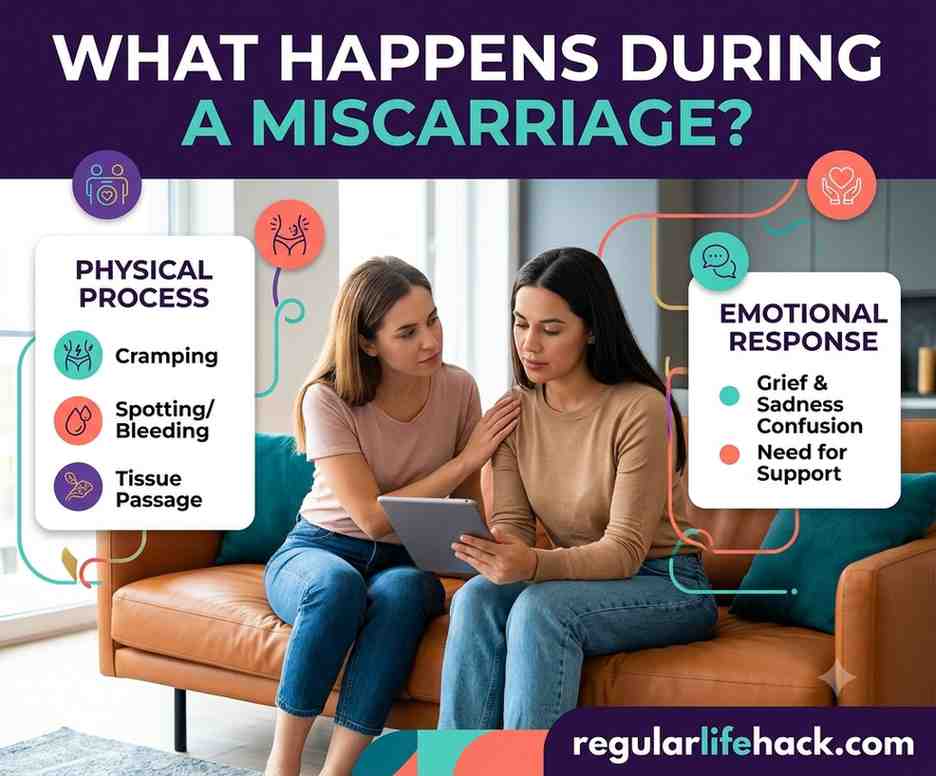
What is a Miscarriage?
To understand what happens during a miscarriage it helps to know what a miscarriage is. A miscarriage is when a pregnancy ends on its own. The body then starts the process of expelling the pregnancy tissue from the uterus.
Most miscarriages happen before 12 weeks of pregnancy, but they can happen later as well.
Initial Symptoms
Signs of a miscarriage differ from woman to woman. Typical symptoms:
- Vaginal bleeding or spotting
- Cramping of the abdomen, mild to severe
- Pain in the back
- Clot formation
- passing pink or grey tissue
- Sudden disappearance of symptoms of pregnancy such as nausea or breast tenderness
Some women experience light spotting. Others have heavier bleeding and stronger cramps.
What Happens Physically?
If we look at what happens in a miscarriage, the physical process usually starts with the uterus contracting to expel pregnancy tissue .
You could have:
- Too much bleeding during a period
- Mild to severe cramping
- Blood Clots
- Pushing out pregnancy tissue
The worst bleeding often occurs over several hours, and light bleeding or spotting may continue for a week or two afterwards.
How Long Will It Last?
The time a miscarriage takes can vary depending on the individual and the stage of pregnancy.
For a lot of women:
- Heavy bleeding continues for a few hours to a day or two.
- Light bleeding or spotting continues up to 2 weeks.
- Mild cramping that becomes less intense as the uterus reduces back to its original size.
If medication or surgery is necessary, recovery time will vary.## Medical Treatment
Not all abortions require medical intervention. Depending on your situation, your health care provider may recommend one of the following approaches:
Observation
The body will pass all of the pregnancy tissue naturally without the need for medication or surgery. This process may take a few days or in some cases a few weeks.
Medications
If there is any pregnancy tissue left behind, medication may be given to help the uterus empty more quickly.
Surgical Treatment
If you have heavy bleeding, infection or retained tissue from the pregnancy, you may need a procedure called dilation and curettage (D&C).
Your healthcare provider will discuss the safest option for your medical condition.
Emotional effect
Understanding what happens during a miscarriage also means understanding the emotional effects. Losing a pregnancy can cause feelings of:
- Depressive
- Shock
- Wrath
- Guilt
- Anxiety,
- Grieving
These are normal feelings and everyone feels them in their own way. Sometimes emotional recovery takes longer than physical recovery.
You can talk with loved ones, join a support group or seek professional counselling to help you through your loss.
When Do You Need Emergency Care?
If you have: Call your healthcare provider or go to the nearest emergency room immediately.
- Bleeding so heavy you have to change two or more sanitary pads an hour, for two hours in a row
- Severe abdominal pain;
- Fever 100.4°F (38°C) or higher
- Shivering or feeling cold Vaginal discharge with a foul smell
- Fainting or extreme dizziness
These symptoms can mean you are losing too much blood or that you have an infection that needs prompt treatment.
Recommended Reading
Pregnancy After Miscarriage: What to Expect
How to Maintain a Strong Emotional Connection
Can You Get Pregnant Again?
“Yeah.” Most women can have healthy pregnancies after a pregnancy loss. Ovulation can return in two to four weeks, but your doctor may suggest you wait until you are recovered physically and emotionally before trying to get pregnant again.
If you have had more than one miscarriage, your health care provider may order other tests to try to find a possible cause.
Tips for Recovery
How to help yourself after a miscarriage:
- Get plenty of sleep
- Eating a healthy, balanced diet
- Drinking enough water
- Going to medical appointments for follow-up care
- Getting emotional support from family, friends or a counsellor
Healing includes caring for your mental health as well as your physical health.
Conclusion
Knowing what happens during a miscarriage can help you to better understand the physical changes and emotional challenges that may happen. Most miscarriages involve bleeding, cramping and passage of pregnancy tissue as the uterus clears itself, either on its own or with medical assistance. It can be painful but most women physically recover within a few weeks and can later have healthy pregnancies.
Call your healthcare provider if you have symptoms of a miscarriage or are worried about your pregnancy. Seeking medical attention early will ensure you get the right care and support during this difficult time.