Polycystic ovary syndrome (PCOS) is a common hormonal condition that can affect ovulation, menstrual cycles, and fertility. For people with PCOS who become pregnant, one common concern is whether the condition increases the risk of miscarriage.
Research suggests that PCOS may be associated with a higher risk of some pregnancy complications, including miscarriage. However, having PCOS does not mean that miscarriage is inevitable. Many people with PCOS have healthy pregnancies with appropriate medical care.
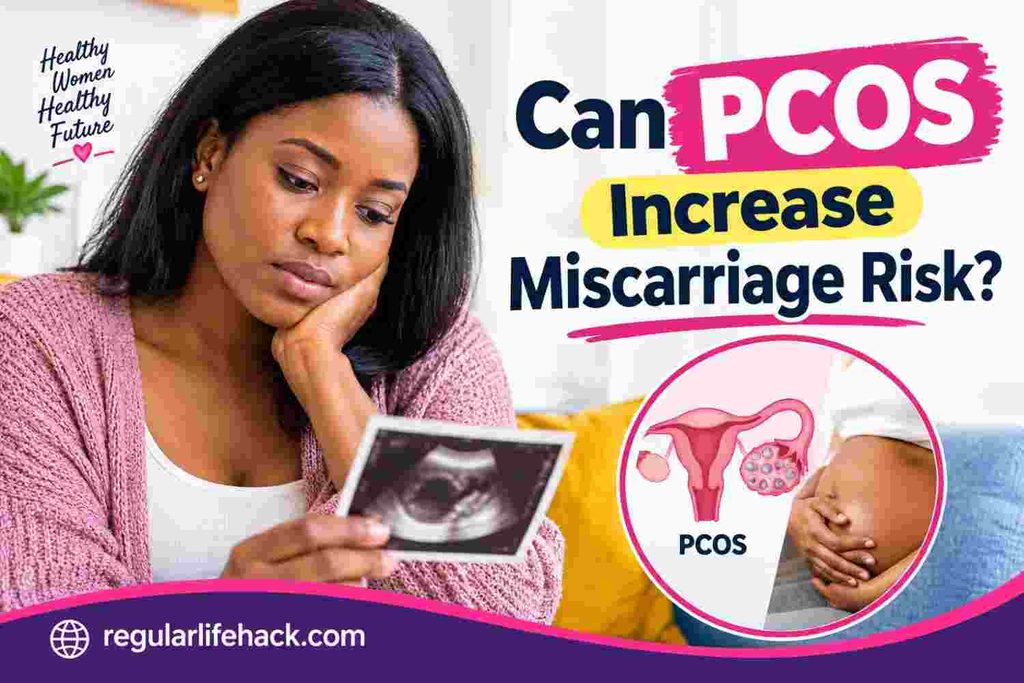
Does PCOS Increase Miscarriage Risk?
Studies have found an association between PCOS and an increased risk of pregnancy loss. However, the relationship is complex, and PCOS itself may not be the only factor involved.
Some factors commonly associated with PCOS, such as insulin resistance, higher blood sugar levels, obesity, hormonal imbalances, and other metabolic problems, may also influence pregnancy outcomes.
Therefore, the risk of PCOS miscarriage can vary considerably from one person to another.
Why Might PCOS Affect Pregnancy?
PCOS can cause hormonal and metabolic changes that may affect pregnancy. Insulin resistance, for example, can contribute to higher blood sugar levels and may require careful monitoring during pregnancy.
PCOS can also be associated with conditions such as gestational diabetes and high blood pressure, which can affect pregnancy health.
Importantly, having PCOS does not automatically cause these complications. Individual risk depends on overall health and other factors.
Can PCOS Be Managed During Pregnancy?
Yes. Good prenatal care can help monitor both the pregnancy and the mother’s health.
A healthcare professional may monitor:
- Blood pressure
- Blood sugar levels
- Weight and overall health
- Fetal development
- Other pregnancy-related risk factors
If you have PCOS, tell your healthcare professional about your diagnosis and any medications you take. Do not stop prescribed medication without medical advice.
Recommended Reading
How to Support Someone After a Miscarriage
HERMENEUTICS: RULES OF INTERPRETATION
The God of the Second Chance: Restoration After a Fall
Tips for Maintaining a Healthy Sex Life
Can You Have a Healthy Pregnancy With PCOS?
Absolutely. PCOS can make conception more difficult for some people because it may interfere with regular ovulation, but it does not mean a healthy pregnancy is impossible.
Once pregnant, regular prenatal care is especially important. Managing existing health conditions, following medical recommendations, eating a balanced diet, staying physically active as advised, and attending scheduled appointments can support a healthy pregnancy.
What About Previous Miscarriages?
If someone with PCOS has experienced one or more miscarriages, it is reasonable to discuss their medical history with a healthcare professional.
Depending on the circumstances, a doctor may evaluate factors such as blood sugar control, thyroid function, reproductive health, and other possible causes of pregnancy loss.
Having a previous miscarriage does not mean that another miscarriage will definitely happen.
When Should You Seek Medical Care?
During pregnancy, contact a healthcare professional if you experience vaginal bleeding, persistent abdominal or pelvic pain, or other concerning symptoms.
Seek urgent medical attention for severe pain, very heavy bleeding, fainting, significant dizziness, fever, or feeling seriously unwell.
Conclusion
The connection between PCOS miscarriage risk and pregnancy is complex. PCOS is associated with a higher risk of certain pregnancy complications, but many people with PCOS go on to have healthy pregnancies.
If you have PCOS and are planning a pregnancy or are already pregnant, working with a healthcare professional can help identify and manage individual risk factors. With appropriate monitoring and care, PCOS does not prevent you from having a healthy pregnancy.