Eating a healthy, balanced diet during pregnancy helps you to stay healthy and supports your baby’s growth and development. Eating the right pregnancy foods will provide you with the vital nutrients like folic acid, iron, calcium, protein and omega-3 fatty acids.
Pregnant does not mean you need to eat twice as much food. Instead, eat a range of healthy foods and follow the advice of your health care professional.
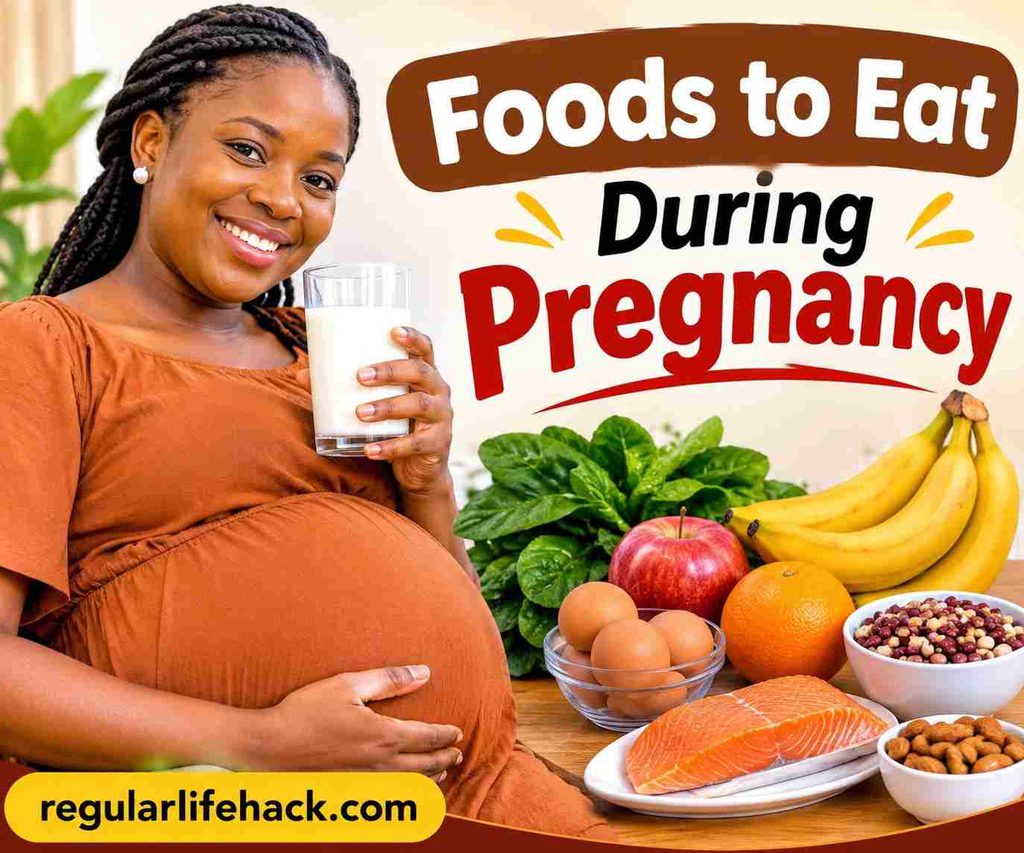
1. Leafy Green Veggies
Vegetables such as spinach, kale, ugu, broccoli etc provide folate, fibre, vitamins and minerals. Folate is important in early development of the baby’s brain and spinal cord.
Wash all vegetables thoroughly before you eat them or cook them. Eat a variety of vegetables every day.
2. Fruits
Oranges, bananas, apples, mangoes, avocados and berries all contain good amounts of vitamins, fibre and other beneficial nutrients.
Citrus fruits are rich in vitamin C which helps your body absorb iron from plant foods. Plenty of fiber-rich fruits may also help with constipation, a common complaint in pregnancy.
Before eating, wash the fruits well in clean running water.
3. High-Protein Foods
Protein helps your baby to grow and develop tissues and organs. Good sources are:
- Eggs, well cooked
- Well-cooked lean meat and chicken
- Fish that are safe to eat when pregnant
- Beans, peas and lentils
- Seeds and nuts
- Tofu and other soybean products
Adding variety of protein sources to your meals can help meet your nutritional needs.
4. Wholegrain
Carbohydrates for energy, fibre and B vitamins come from whole grains such as oats, brown rice, whole-wheat bread and whole-grain cereals.
Fibre helps you digest and avoid constipation. Combine whole grains, veggies, and protein for balanced meals.
5. Dairy Products and Calcium-Rich Substitutes
Calcium helps your baby’s bones and teeth develop. Suitable sources are pasteurised milk, yoghurt and cheese from pasteurised milk.
If you do not eat dairy foods, calcium-fortified plant-based drinks and other calcium-rich foods may be an option. You can find out about their nutritional content from product labels.
6. Iron-rich foods
Iron is important for your body to produce haemoglobin, which carries oxygen to your blood. Your iron needs increase in pregnancy.
Lean meat, beans, lentils, spinach and iron-fortified cereals are good sources. Eating vitamin C rich foods with plant sources of iron can increase iron absorption.
Ask your healthcare professional if you need an iron supplement.
7. Fish With Omega 3 fatty acids
Opt for low-mercury fish, like salmon and sardines, rich in omega-3 fatty acids that support your baby’s brain and eye development.
Choose fish that is known to be safe to eat in pregnancy and follow local advice on portion size. Avoid high-mercury fish and make sure to cook seafood thoroughly.
Recommende Reading
Early Signs of Pregnancy
Healthy Relationships In Christian Homes
The Prayer Life of Elijah: Moving the Hand of God
Tips for Rebuilding Trust After Betrayal
Foods and Drinks to Avoid When Pregnant
Choose healthy foods, but take steps to reduce foodborne illness and other risks.
Do not eat or drink alcoholic beverages, raw or undercooked meat and seafood, or unpasteurized milk and dairy products or other foods that your health care professional has told you are unsafe. Limit caffeine as recommended during pregnancy, most health agencies recommend no more than 200 mg daily.
Wash produce thoroughly. Practice good food hygiene.
Do you need pregnancy supplements?
A well-rounded diet is important, but some nutrients may need to be supplemented. Folic acid is particularly important before conception and during early pregnancy. Your healthcare professional may also recommend vitamin D, iron or other supplements based on your needs.
Do not take high-dose supplements or products containing retinol (vitamin A) unless specifically advised to do so by a qualified professional.
Conclusion
Best Pregnancy foods are Fruits and vegetables, Whole grains, Protein-rich foods, Calcium-rich products, Iron-rich foods, Low-mercury fish, Eating a varied diet and following food-safety advice can help support a healthy pregnancy.
For customised nutritional guidance, consult with a qualified healthcare professional or a registered dietitian.