Returning to work after having a baby can be challenging, especially for mothers who want to continue breastfeeding. Balancing professional responsibilities with a baby’s feeding needs requires planning, patience and consistency.
The good news is that working mothers can continue providing breast milk even when they spend several hours away from their babies. Learning how to maintain breast milk supply while working can help you establish a manageable routine and support your baby’s nutritional needs.
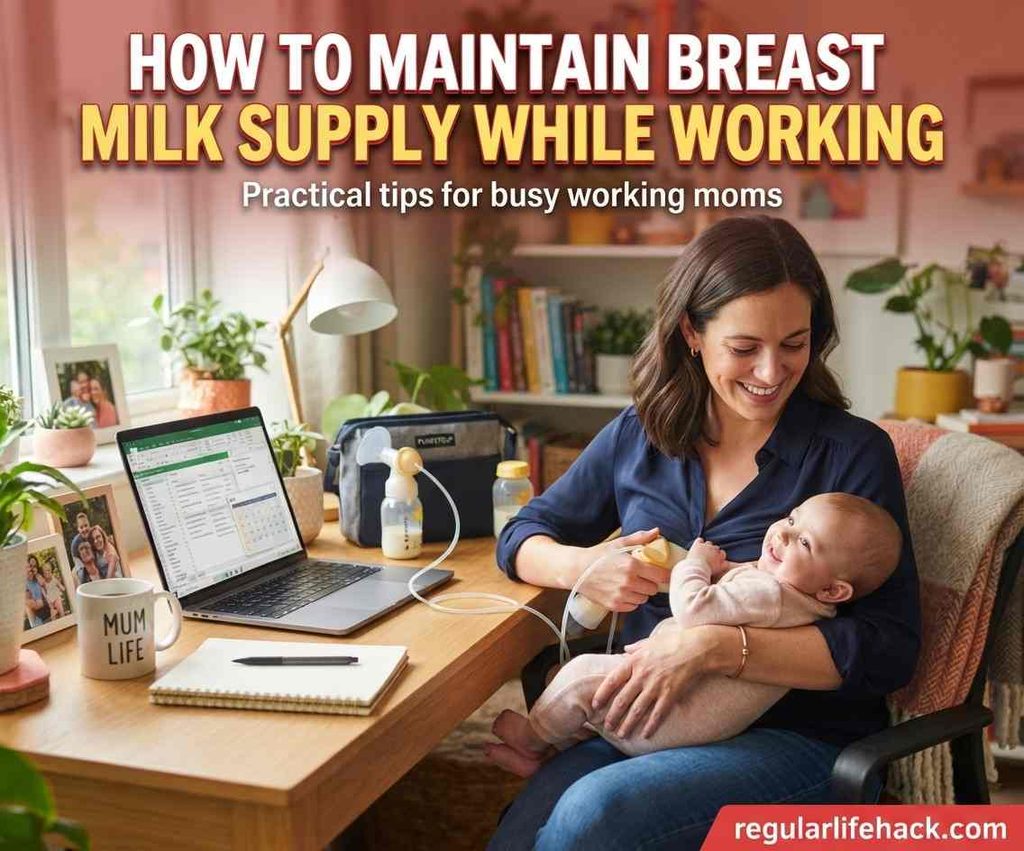
1. Establish a Breastfeeding Routine Before Returning to Work
If possible, start preparing a few weeks before resuming work. Practise expressing breast milk and introduce your baby to a bottle if you plan to use one.
This gives you time to become familiar with your breast pump and helps your baby adjust to occasional feeding by another caregiver.
Continue breastfeeding directly whenever you are with your baby.
2. Pump Breast Milk Regularly at Work
Regular milk removal is important for maintaining breast milk production.
Try to express milk at approximately the same times your baby would normally feed. Many working mothers find that pumping every three hours during the working day is helpful, although individual needs vary.
Depending on your schedule, you may need two or three pumping sessions during a typical workday.
Avoid regularly skipping pumping sessions, as this may gradually reduce milk production.
3. Choose a Suitable Breast Pump
A good breast pump can make expressing milk more convenient.
Consider the following options:
- Electric breast pump: Useful for regular pumping and busy work schedules.
- Double electric breast pump: Allows you to express milk from both breasts simultaneously.
- Manual breast pump: A portable option for occasional use.
Choose a pump that fits comfortably and follow the manufacturer’s cleaning and maintenance instructions.
4. Store Expressed Breast Milk Safely
Proper milk storage helps protect your baby’s health and prevents unnecessary waste.
According to the CDC, freshly expressed breast milk can generally be stored:
- At room temperature of 25°C or cooler for up to four hours.
- In a refrigerator at 4°C or colder for up to four days.
- In a freezer at -18°C or colder for about six months for best quality, although up to 12 months is acceptable.
Use clean, food-grade breast milk storage containers or specially designed storage bags. Label each container with the date of expression and store milk in a refrigerator or insulated cooler with ice packs when necessary.
5. Breastfeed Before Leaving Home
Offering your baby breast milk before leaving for work can help meet their feeding needs and reduce the time between feeding sessions.
You can also breastfeed immediately after returning home. Continue feeding according to your baby’s hunger cues during evenings, nights and weekends.
6. Eat Nutritious Meals and Stay Hydrated
Working and breastfeeding require energy. Include balanced meals containing protein, whole grains, fruits, vegetables and healthy fats.
Drink water regularly according to your thirst. Keeping a water bottle at your workplace can help you stay hydrated.
No particular food or drink guarantees increased milk production, so focus on maintaining a varied and nutritious diet.
Recommended Reading
Best Breastfeeding Positions for New Mothers
Can PCOS Increase Miscarriage Risk?
PRAYER WARFARE IN SOUL-WINNING
Seven Principles of Kingdom Leadership
7. Speak With Your Employer About Pumping Breaks
Discuss your breastfeeding needs with your employer before returning to work.
Where possible, arrange access to a clean, private space for expressing milk and a refrigerator or suitable cooler for storage.
Planning your pumping breaks in advance can help you maintain a consistent routine without unnecessary workplace stress.
8. Manage Stress and Get Enough Rest
Returning to work while caring for a newborn can be tiring. Whenever possible, share household responsibilities, rest when your baby sleeps and seek support from family members.
A manageable routine can make it easier to continue breastfeeding.
Conclusion
Learning how to maintain breast milk supply while working requires consistency, preparation and effective milk removal. Regular pumping, safe milk storage, nutritious meals and workplace support can help working mothers continue breastfeeding.
Remember that returning to work does not mean you must stop breastfeeding. With a practical plan and the right support, you can balance your career responsibilities with your baby’s feeding needs.