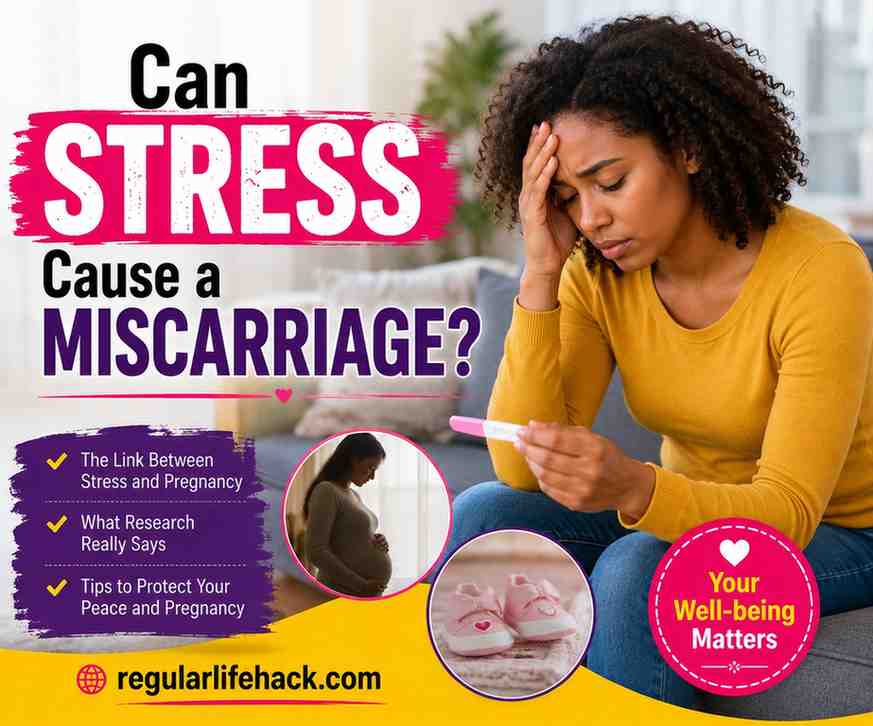
Pregnancy is exciting but can also be an emotional roller coaster. Many expectant mothers worry about work, finances, relationships or the health of their baby. So, a question I get a lot is, “Can stress cause miscarriage?” Everyday stress is not considered a direct cause of miscarriage. But stress management is still an important part of your overall health and well-being during pregnancy.
Knowing the connection between stress and pregnancy can help you to focus on healthy habits, without feeling guilty.
What Is Stress?
Stress is your body’s natural reaction to challenging situations. Stress in pregnancy is normal and can be caused by the following:
- Getting ready for a new baby
- Stress of work or money
- Family commitments
- Doctor appointments
- Fear of complicating pregnancy
Does stress cause miscarriage?
When asking “can stress cause miscarriage?” it is important to distinguish between everyday stress and severe or chronic stress.
Current medical evidence shows that normal daily stress, like meeting work deadlines, handling household chores, or occasional emotional distress, has not been proven to cause miscarriage.
Most first-trimester pregnancy losses are caused by abnormal chromosomes which prevent the embryo from developing normally. These genetic changes occur by chance and are not under anyone’s control.
While extreme, ongoing stress may affect general health, there is no conclusive evidence that everyday emotional stress alone directly leads to miscarriage.
What are the leading causes of miscarriage?
Miscarriages are more often linked to everyday stress than:
- Chromosome abnormalities
- Hormone disruptions
- Abnormalities of the uterus
- Some infections
- Diabetes out of control
- Thyroid problems
- Blood clotting diseases
- Advanced maternal age
These are much more likely to cause loss of pregnancy than the normal stresses of everyday life.
Does Severe Stress Affect Pregnancy?
The answer to “can stress cause miscarriage” is generally no, in the context of everyday stress. Prolonged or severe stress may impact pregnancy in other ways.
Long periods of high stress can lead to:
- Sleeping problems
- Unhealthy dietary habits
- Elevated blood pressure
- Anxiety and depression.
- Overall reduced well-being
Managing stress is an important part of a healthy pregnancy and these effects can impact the mother’s health.
Healthy Ways to Cope with Stress While Pregnant
Stress reduction can be beneficial for both your physical and emotional health. Consider these healthy coping mechanisms:
1. Get Enough Sleep
Sleep between seven and nine hours a night. A good night’s sleep helps your body recover and keeps your hormones working right.
2. Eat Well
Maintaining steady energy and having a healthy pregnancy hinges on healthy eating. Prioritise nutritious meals rich in fruits, vegetables, whole grains, lean protein, and healthy fats.
3. Keep Moving
Your health care provider may approve gentle activities such as walking, prenatal yoga or swimming to help reduce stress and improve mood.
4. Employ relaxation techniques
Easy relaxation methods include:
- Deep breathing exercise.
- Meditation
- Gentle stretch
- Relaxing Music Listening
- Reading a book that you love
A few minutes a day can make a difference.
5. Talk About Your Feelings
Talk about your concerns with your partner, family, close friends or a healthcare provider. Talking openly can ease emotional pressure and help you feel supported.
6. Don’t Blame Yourself
Women who suffer a miscarriage often wonder if stress or something they did caused their pregnancy loss. This is not true in most cases.
If you have had a miscarriage, remember that it is usually caused by things out of your control. Self-blame only adds to the emotional pain, and is not reflective of the medical reality of most pregnancy losses.
Recommended Reading
Foods to Avoid After a Miscarriage
Tips for Rebuilding Trust After Betrayal
When should you call your healthcare provider?
No matter how stressed you are, get medical attention right away if you have:
- Bleeding heavily from the vagina
- Severe abdominal cramping or pain
- Vaginal tissue coming out
- Fever/chills/fever
- Constant dizziness or fainting
These symptoms should be evaluated promptly to determine the cause and provide appropriate treatment.
Promoting a Healthy Pregnancy
Instead of worrying about whether stress can cause miscarriage, focus on practices that promote a healthy pregnancy:
- Go to all your prenatal doctor appointments.
- Prenatal vitamins with folic acid.
- Do not smoke, drink alcohol or use illegal drugs.
- Keep hydrated.
- Follow your health care provider’s advice.
- Don’t hesitate to ask for emotional support when you need it.
These good choices can help you feel more confident during your pregnancy.
Conclusion
It’s a common question: can stress cause miscarriage? But current medical evidence shows that everyday stress does not directly cause miscarriage. Most miscarriages are due to chromosomal abnormalities or other medical reasons that can not be prevented.
While severe, ongoing stress can impact your general health, healthy lifestyle habits, sufficient sleep, regular exercise, and emotional support can improve your pregnancy experience through stress management. If you are worried about your pregnancy, or you experience any unusual symptoms, contact your healthcare provider immediately. Staying informed and taking care of yourself physically and emotionally are some of the best things you can do for a healthy pregnancy.