A miscarriage is not just a physical loss. It can be deeply painful emotionally, too. Each woman experiences grief differently and there is no ‘right’ way to grieve. Healing after miscarriage, whether it occurs early or later in the first trimester, takes time, patience, and support.
Your feelings are real, remember. It’s normal to feel sad, angry, guilty, confused, or even numb during the grieving process. Emotional recovery is possible—given time and the right support.
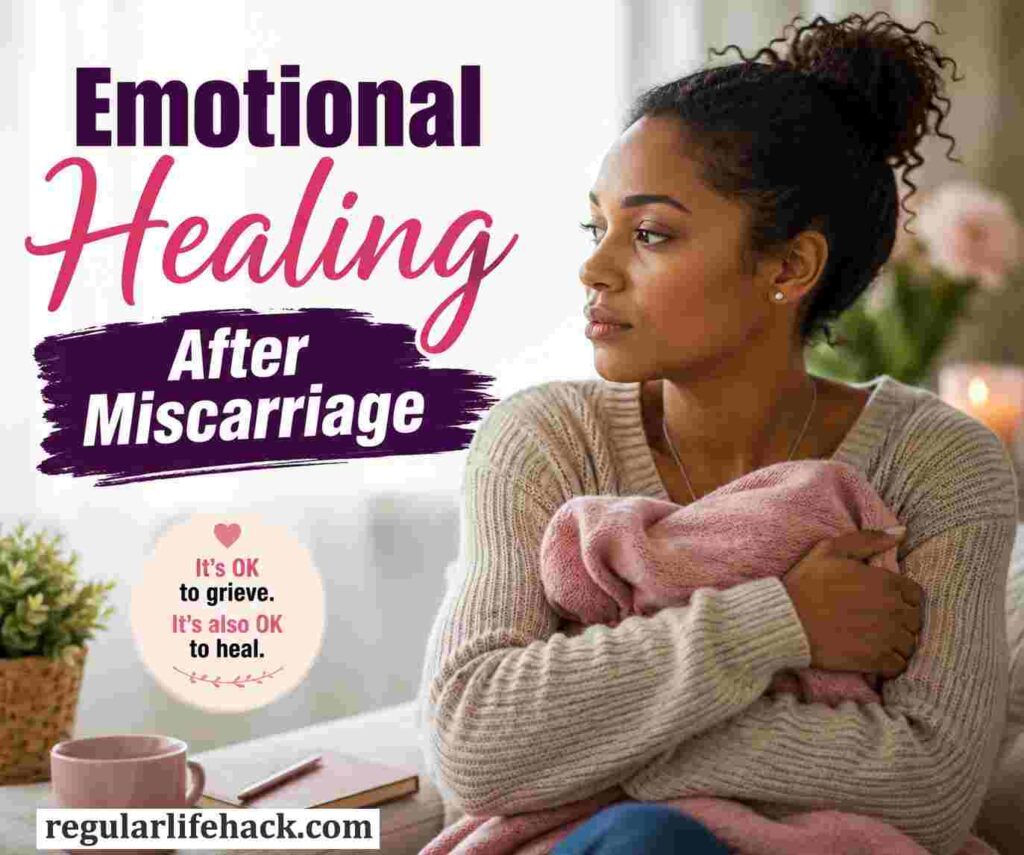
Grief after a miscarriage: What you need to know
Pregnancy is often accompanied by dreams and expectations about the future. When a miscarriage happens those hopes can be torn away in an instant leaving a deep sense of loss. The first step of miscarriage recovery is to recognise that your grief is valid, regardless of how early the pregnancy ended.
Some women get over it emotionally in a few months and some take much longer. There is no fixed timeline for healing.
Give Yourself Permission to Grieve
Many people feel pressure to “move on” quickly but grief cannot be rushed. Give yourself permission to cry, rest and process your emotions.
Some healthy ways to express grief are:
- Have a chat with someone you trust
- Keeping a journal
- Creating a personal memorial
- Spending time in quiet reflection
- Engaging in spiritual or religious practices, if these are meaningful to you
Allowing yourself to feel your emotions is an important part of healing after miscarriage.
Release Self-Blame
Guilt is one of the biggest emotional hurdles after pregnancy loss. Many women wonder if they did something to cause the miscarriage.
In fact, most miscarriages are caused by chromosomal abnormalities, or other medical reasons, that are beyond anyone’s control. In a normal pregnancy, daily activities like walking, working, moderate exercise or sex are rarely the cause.
Knowing this truth can be helpful in healing from miscarriage and can alleviate any unnecessary feelings of blame.
Lean on Your Support Network
You don’t have to go through this experience alone. Talk about it with people who are supportive. It can help to lessen the burden.
Consider getting in touch with:
- A partner
- Relatives
- Closest friends
- Religious authorities
- Certified counsellors
- Support groups for pregnancy loss
Sometimes it is comforting just to know that someone is willing to listen.
Look After Your Physical Health
Often, emotional and physical healing go hand in hand. Taking care of your body can also help improve your mental health.
Concentrate on:
- Eating healthy food
- Drink plenty of water
- Get enough sleep.
- Gentle walks if approved by your health care provider
- Participation in all follow up medical appointments.
These healthy habits help the overall recovery after miscarriage.
Give Yourself Time Before You Make Big Decisions
After a miscarriage, you might feel pressure to get pregnant again right away or to make other big decisions in your life. Give yourself time to heal emotionally and physically before making important decisions, unless there is an urgent reason.
If you are trying to conceive, discuss with your health care provider when it may be safe to try again medically.
Know When to Seek Professional Help
Grief is normal. Yet, at times emotional pain can become overwhelming. If you have: get help from a mental health professional.
- Feeling sad most of the day, nearly every day
- Reduced interest in activities
- Difficulty sleeping for a long time
- Serious panic or anxiety attacks
- feel a sense of hopelessness
- Difficulty performing at work or home
Professional counselling can also provide healthy coping skills and emotional support during the healing process after a miscarriage.
Recommended Reading
Strength Training with Plant Based Protein
Overcoming Jealousy In A Relationship
Save/Support Your Relationship
Partners grieve differently. One person can openly express feelings, the other can become silent or focus on practicalities. These different reactions don’t mean either person cares less.
Being honest, patient and understanding can help to strengthen your relationship during recovery.
Honour Your Losses
Some women find solace in remembering their pregnancy meaningfully. You are able to:
- To plant a tree or flowers
- Write a journal
- Make a memory box
- Candle lighting on important dates
- Offer a personal prayer or reflection
There is no wrong or right way to honour your experience. What brings you peace, choose that.
Looking to the Future
A miscarriage can be a painful experience, but many women go on to have healthy pregnancies later. Healing time after a miscarriage doesn’t mean forgetting your loss, it means learning to carry it as you keep moving forward.
Give yourself grace, celebrate the small steps in your recovery and remember that healing emotionally is a slow process.
Conclusion
Healing from miscarriage is a very personal process. It involves both emotional and physical healing. Give yourself permission to grieve, release the self-blame, connect with trusted people, and take care of yourself holistically. If your grief becomes unbearable or begins to affect your daily functioning, seek professional help right away.
Healing is possible – with time, support and compassion. The loss may always be part of your story, but it doesn’t have to define your future.