Recurrent Pregnancy Loss (RPL) is an issue for couples who have had more than one miscarriage. It’s not uncommon to have one miscarriage, but if you have several miscarriages, this could indicate an underlying medical condition that should be evaluated. While the experience can be emotionally devastating, many people diagnosed with Recurrent Pregnancy Loss go on to have successful pregnancies with the right medical care.
Understanding the causes, diagnosis and treatment options can help you make informed decisions as you plan for the future.
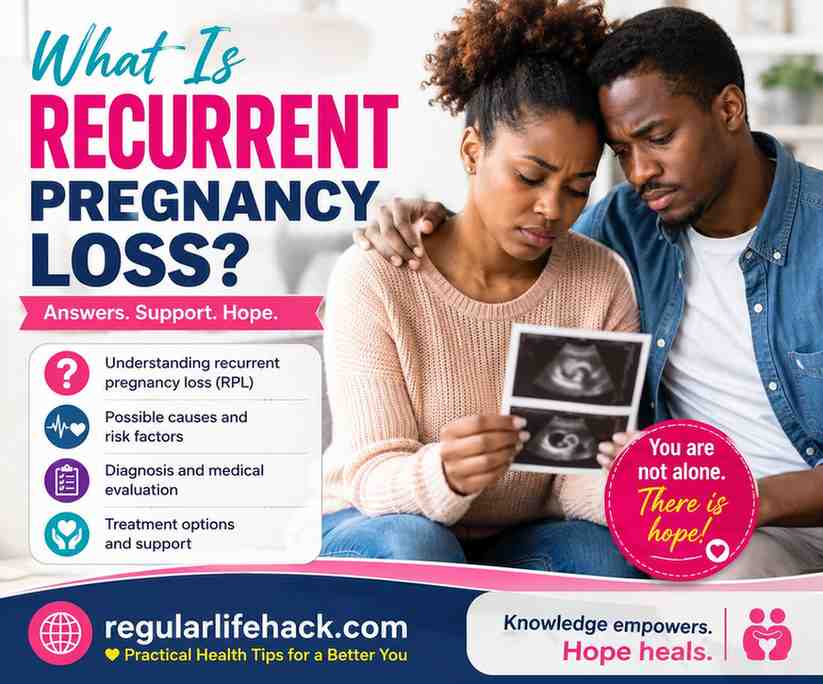
What Is Recurrent Pregnancy Loss?
Recurrent pregnancy loss (RPL) is usually described as two or more consecutive pregnancy losses prior to the 20th week of gestation. After two miscarriages, especially if they are back-to-back, healthcare providers often recommend a medical evaluation.
A single miscarriage may be more common, but recurrent pregnancy loss affects thousands of couples around the world each year.
Why Do Pregnancies Fail Repeatedly?
Sometimes, there is no obvious cause. However, Recurrent Pregnancy Loss has been associated with some medical conditions.
1. Genetic Factors
Chromosomal abnormalities are a frequent cause of miscarriage. Sometimes one partner may have a balanced chromosomal rearrangement that increases the risk of repeated pregnancy loss.
Sometimes, couples who have had several miscarriages are advised to have genetic testing.
2. Abnormalities of the uterus
Uterine structural abnormalities can prevent implantation or foetal growth. These can include:
- Uterine septum
- Large fibroids
- Scar tissue inside the uterus
- Congenital uterine abnormalities
Some of these conditions can be surgically corrected.
3. Endocrine Disorders
Hormonal imbalances can cause Recurrent Pregnancy Loss including:
- Thyroid disease
- Poorly controlled diabetes
- Polycystic ovary syndrome (PCOS)
- Low progesterone levels in selected cases
Addressing these issues prior to pregnancy could lead to better outcomes.
4. Autoimmune and Thrombotic Diseases
Other immune system and blood clotting disorders such as antiphospholipid syndrome can also increase the risk of recurrent miscarriage by affecting the blood flow to the developing placenta.
5. Aspects of Lifestyle
Some lifestyle habits may increase the risk of miscarriage. These include:
- Cigarette smoking
- Overconsumption of alcohol
- Use of illegal drugs
- Obesity
- Chronic diseases that are poorly controlled
A healthier body overall can help reduce some of the risks.
How Do Doctors Diagnose Recurrent Pregnancy Loss?
Your healthcare provider may order several tests to look for possible causes of Recurrent Pregnancy Loss and may include:
- detailed medical and pregnancy history
- Blood tests for hormone levels and immune conditions
- Genetic testing of either or both partners
- Pelvic sonography
- Hysteroscopy or other imaging tests to check uterus
Not all couples will require all tests. Your medical history will be the basis for your assessment.
Options for Treatment
The treatment will depend on the cause of Recurrent Pregnancy Loss.
Possible treatments:
- Thyroid disease/diabetes management
- Blood-thinning medication for some clotting disorders
- Correction of uterine abnormalities by surgery
- Progesterone supplementation in selected conditions
- Lifestyle changes such as quitting smoking and controlling weight
If no cause is found, your health care provider may advise careful monitoring during future pregnancies.
Recommended Reading
Silent Miscarriage: Symptoms and Causes
How to Handle a Workaholic Partner
Can You Have a Healthy Pregnancy?
Yes. Many of the couples affected by Recurrent Pregnancy Loss go on to have healthy pregnancies. Advances in reproductive medicine have enabled healthcare providers to diagnose and treat many underlying conditions.
The prospect of future pregnancy is hopeful for many women even if no specific reason can be found.
Emotional Influence
Repeated pregnancy loss can have a significant emotional impact. It is perfectly normal to feel grief, frustration, anxiety and fear.
Sources of support that may be helpful:
- Your partner and family members
- Support groups for pregnancy loss
- Mental health practitioners
- Your health care provider
Emotional support is an important part of the healing process.
Getting Ready for Another Pregnancy
What to Do If You’re Trying to Conceive Again
- Eat a healthy diet.
- Book a preconception appointment.
- Take a prenatal vitamin that contains folic acid.
- Eat a balanced diet Seek medical approval and exercise regularly.
- No smoking, no alcohol, no illegal drugs.
- Deal with chronic medical conditions.
- Go to prenatal appointments as recommended.
These steps may help support a healthy pregnancy.
Conclusion
Recurrent pregnancy loss is the term used for two or more consecutive miscarriages and may be caused by genetic, hormonal, structural, immune or lifestyle factors. Experiencing recurrent pregnancy loss can be emotionally difficult, but many couples are able to go on to have successful pregnancies after appropriate evaluation and treatment.
If you’ve experienced recurrent miscarriages, consult your healthcare provider for a thorough evaluation. Early diagnosis, a treatment plan that’s right for you, and emotional support along the way can help you feel more confident as you move forward and increase your chances of a healthy pregnancy.