Waking up with a sudden wave of dread, a racing heart, or a heavy knot in your stomach is a deeply unsettling experience. If you regularly wake up feeling overwhelmed before your day has even begun, you are experiencing morning anxiety. This phenomenon is remarkably common, yet many people suffer through it without realizing that physiological mechanisms, rather than personal weakness, are often the primary driver.
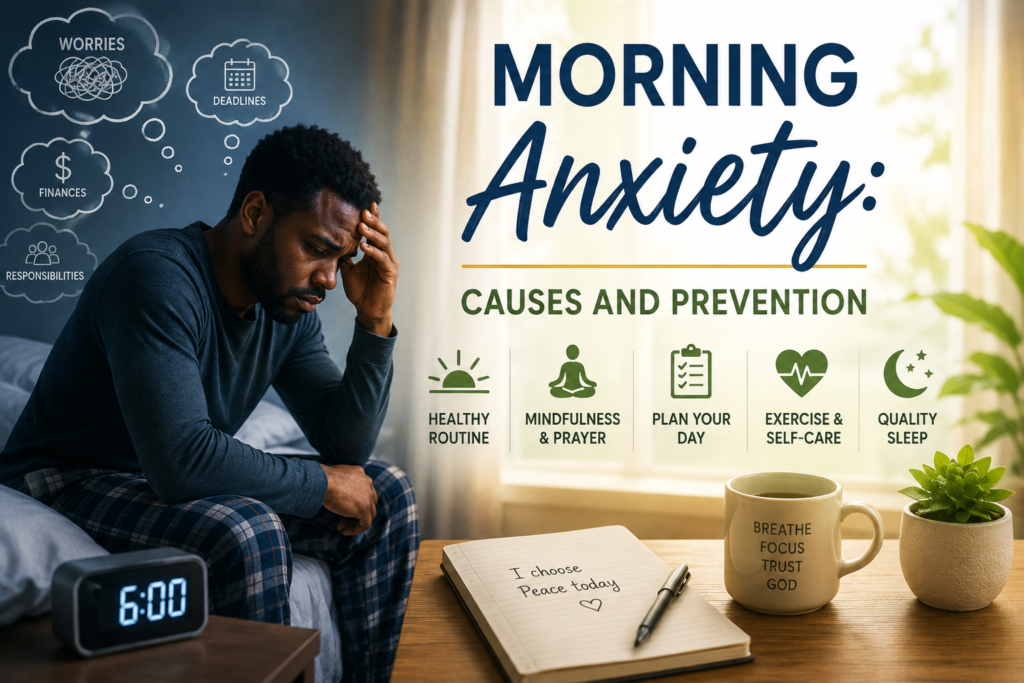
Understanding why morning anxiety occurs is the first step toward reclaiming peaceful mornings. By identifying its root causes and implementing practical prevention techniques, you can reset your nervous system and start your day with calm focus.
Understanding the Causes of Morning Anxiety
Morning anxiety is rarely just “all in your head.” It is usually the result of a biological chain reaction paired with daily lifestyle habits:
- The Cortisol Awakening Response (CAR): Cortisol, often referred to as the primary stress hormone, naturally spikes during the first 30 to 45 minutes after waking. Designed by evolution to help us feel alert and energetic, an overactive cortisol spike in an already stressed nervous system can trigger feelings of acute panic instead.
- Low Blood Sugar (Hypoglycemia): After fasting overnight, your blood sugar levels drop. When blood sugar falls too low, the body releases adrenaline to mobilize stored energy. This sudden rush of adrenaline mimics the physical symptoms of anxiety, such as shaking, dizziness, and heart palpitations.
- Poor Sleep Quality: Disrupted sleep, sleep apnea, or irregular sleep-wake schedules prevent your brain from fully clearing out stress neurochemicals overnight, leaving your nervous system hyper-reactive by dawn.
- Anticipatory Stress and Rumination: Thinking about upcoming tasks, work conflicts, or financial obligations the moment you open your eyes immediately triggers a fight-or-flight response, compounding physical cortisol spikes with psychological dread.
- Late-Night Caffeine or Alcohol: Drinking alcohol near bedtime impairs REM sleep, while late-day caffeine lingers in your system, elevating your baseline heart rate throughout the night.
Reading
Tips For Coping With Stress
Coping With Anxiety Without Medication
Effective Prevention Strategies
To reduce morning anxiety, you must address both the physical triggers and your psychological habits.
1. Create a Buffer Zone Before Looking at Screens Checking your phone immediately upon waking floods your brain with news, work emails, and social media comparisons before your conscious mind has fully calibrated. Establish a strict boundary: keep your phone out of reach for the first 20–30 minutes of your day.
2. Practice Immediate Grounding and Breathwork When you notice morning anxiety setting in, anchor your body before getting out of bed. Try the 4-7-8 breathing technique (inhale for 4 seconds, hold for 7, exhale slowly for 8). This signals directly to your vagus nerve that you are safe, downshifting your physiological arousal.
3. Stabilize Your Blood Sugar Quickly Skip high-sugar breakfast items or rushing straight to a cup of black coffee on an empty stomach, which further spikes cortisol. Instead, drink a glass of water and eat a small, balanced meal rich in complex carbohydrates and protein—such as eggs with whole-grain toast or oatmeal with nuts—within an hour of waking.
4. Establish a Consistent Wind-Down Routine: Prevention starts the night before. Maintain a strict sleep schedule, turn off screens an hour before bed, and write down a “brain dump” list of tomorrow’s tasks to keep anxious thoughts out of your bedroom.
While morning anxiety can feel overwhelming, it is entirely manageable. By aligning your morning habits with your body’s natural rhythms, you can transform your mornings from a time of stress into a space of quiet resilience.