Progesterone is key hormone in early pregnancy. It helps to prepare the uterus for pregnancy and it helps to support the lining of the uterus. Many people wonder if progesterone for miscarriage can help prevent pregnancy loss because of what it does for pregnancy.
There is no straightforward answer. Progesterone might help some women in some cases but it doesn’t prevent all miscarriages.
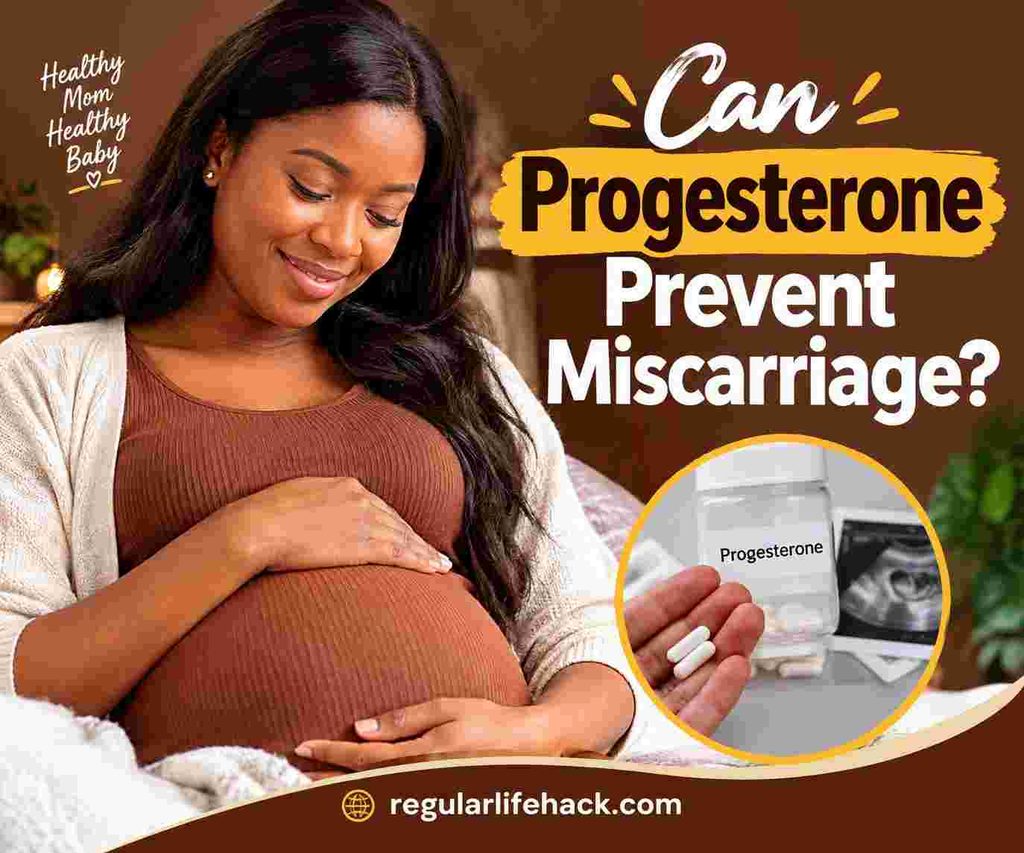
What is progesterone?
Progesterone is a naturally occurring hormone that the body makes after ovulation. It helps to support the uterine lining and the developing pregnancy in early pregnancy.
In some cases, a healthcare professional might consider supplementation if progesterone levels are not high enough.
Research suggests that some women, especially those who have had a previous miscarriage and experience bleeding in early pregnancy, may benefit from treatment with progesterone.
However, progesterone is not a cure-all for miscarriage. Most early miscarriages are caused by chromosome abnormalities in the pregnancy, and progesterone cannot fix these defects.
Whether treatment is appropriate depends on the patient’s medical history, pregnancy symptoms and clinical assessment.
Who Can Benefit from Progesterone?
In some circumstances, a healthcare provider may recommend progesterone for miscarriage. Women with early pregnancy bleeding and previous miscarriages are one such group that may benefit.
Recommendations may vary depending on individual circumstances and medical advice. So you should only start progesterone when you have been told to do so by a qualified healthcare professional.
How is Progesterone Given?
If progesterone is prescribed in pregnancy, it may be in the form of vaginal preparations or other preparations.
The kind and dose that is right for you, and how long you take it, depends on why you are taking it and your individual situation. You must not start, stop or change your progesterone treatment without medical advice.
Side Effects?
Progesterone is usually well-tolerated when properly prescribed, but some people may have side effects. These could include fatigue, breast tenderness, bloating, headaches, or mood changes.
Your healthcare professional will be able to discuss the possible benefits and risks before recommending treatment.
Additional Support for a Healthy Pregnancy
Progesterone is just one part of pregnancy care. Prenatal visits allow healthcare providers to monitor the pregnancy and identify any possible complications.
Recommended Reading
Exercise After Miscarriage: When Is It Safe?
7 Lessons from the Life of Jonah: The Reluctant Prophet
Tips For Coping with a Partner Midlife Crisis
Other healthful habits include:
- Taking prescribed folic acid
- Eating a well-rounded diet
- No smoking, drinking alcohol
- Management of current health problems
- Using prescribed medications as directed
- Going to the recommended prenatal visits
Importantly, many miscarriages are unavoidable, and having one does not mean you did something wrong.
When Should You Seek Medical Care?
Report any bleeding or pain in early pregnancy to a health care professional. Seek urgent medical attention if the bleeding is very heavy, or if there is severe pain, fainting, significant dizziness, fever or a feeling of being seriously ill.
Summary
Progesterone for miscarriage may help some women, especially in certain early pregnancy situations with bleeding and prior pregnancy losses. But it can’t prevent all miscarriages and it’s not suitable for everyone.
If you are concerned about progesterone levels or miscarriage, consult a healthcare professional. They can assess your individual circumstances and decide if progesterone treatment is appropriate.