Constipation is one of the most common pregnancy complaints. This can lead to hard stools, bloating, abdominal discomfort, and difficulty passing bowel movements. The problem could be due to hormonal changes, iron supplements and less physical activity.
The good news is that there are a number of simple lifestyle changes that can offer pregnancy constipation relief and help promote healthy digestion. But, you will need to choose treatments that are safe for you and your baby.
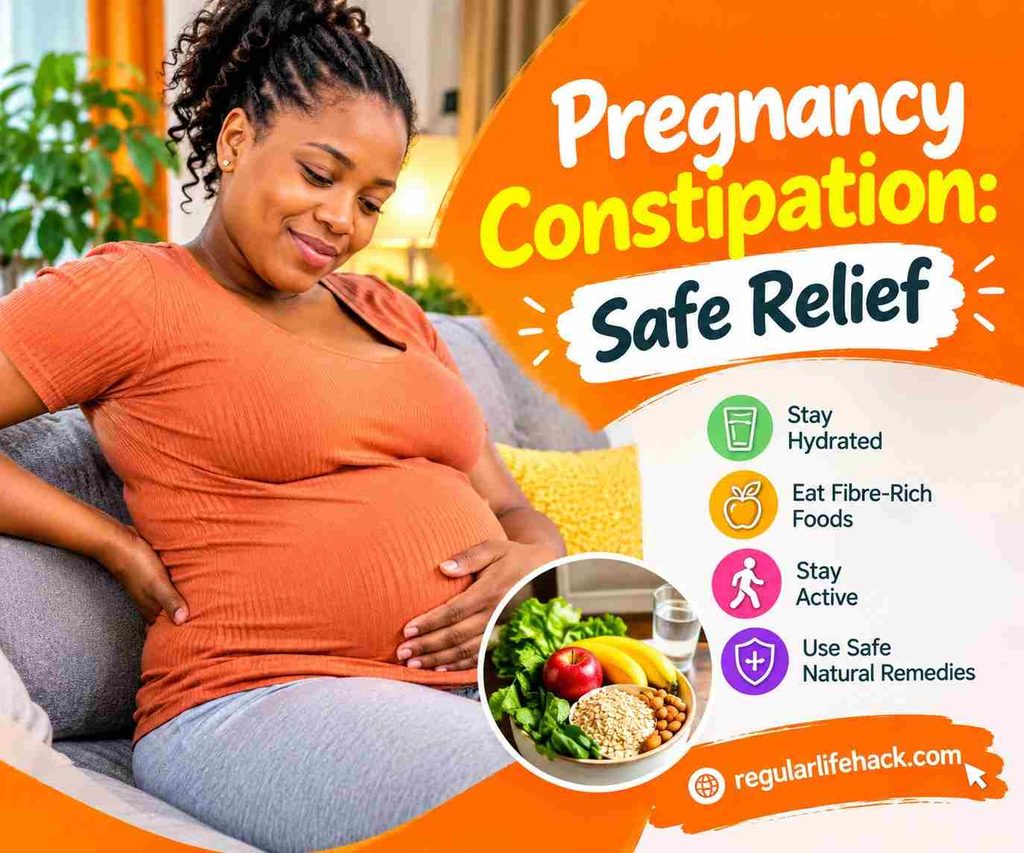
What Causes Constipation in Pregnancy?
Constipation during pregnancy can occur for a number of reasons:
– Hormonal changes: Rising progesterone causes the muscles of the digestive tract to relax, which slows the passage of food through the intestines.
– Iron supplements: Iron supplements and some prenatal vitamins can make stool harder.
– Large uterus: As the uterus grows during pregnancy, it can put pressure on the bowels.
– Low fibre intake: Constipation may be caused by a low intake of fruits, vegetables, whole grains and legumes.
– Not enough fluid and activity: If you don’t drink enough water or you’re less active than usual, it can exacerbate the symptoms.
7 Tips To Relieve Constipation During Pregnancy
1. Eat more high-fiber foods
Fibre can help to keep stools soft and promote bowel regularity. Eat foods such as oats, whole grain bread, beans, lentils, vegetables, pears, apples and other fruits.
Increase fibre slowly to reduce gas and bloating.
2. Drink Enough Water
Drinking enough fluids helps the fibre to work properly and can help to make stools easier to pass. Make sure you drink plenty of water throughout the day, especially if you increase your fibre intake.
Your need for fluids may vary depending on your activity level, climate and medical conditions.
3. Keep Moving
A little exercise can help get the bowels going. If your health care professional has not told you to limit activity, walking, swimming and appropriate exercise may be beneficial during pregnancy.
Start slowly, picking activities that feel good.
4. Create a Bathroom Routine
Go when you get the urge to have a bowel movement instead of delaying it. Don’t overwork yourself, and give yourself enough time.
You may also find it more comfortable to pass stools with your feet raised on a small footstool while you’re on the toilet.
5. Have Regular Meals
Regular meals can help maintain normal activity in the digestive system. Eat foods high in fibre throughout the day rather than a big serve in one go.
Recommended Reading
Best Prenatal Vitamins for Pregnancy
The Book Of Elders On Marriage
Tips For Navigating Long-Term Relationship
6. Review your prenatal vitamins
Iron supplements can lead to constipation. Do not discontinue taking prescribed iron or prenatal vitamins on your own. Speak to your healthcare professional about whether a different formulation or dosage is appropriate for you.
7. Talk to Your Doctor About Pregnancy-Safe Laxatives
If diet and activity don’t work, a healthcare professional or chemist can recommend a suitable laxative. Depending on your situation, some fibre supplements, stool softening treatments, or osmotic laxatives might be suitable during pregnancy.
Do not take herbal laxatives, castor oil or other constipation remedies without medical advice.
When to see a doctor?
If you are constipated for more than 3 days or if you are constipated repeatedly or if you are in a lot of pain, speak to your healthcare professional.
If you have severe or worsening abdominal pain, repeated vomiting, a swollen abdomen or are unable to pass stool or gas, seek urgent medical assessment. Any rectal bleeding warrants investigation, especially if it is excessive or persistent.
If you have these symptoms, it could be a sign of a problem that needs medical attention and not just regular constipation treatment.
Conclusion
Getting good pregnancy constipation relief usually begins with eating more fibre, drinking enough water, moving gently and having a regular toilet routine. If these measures aren’t enough, discuss appropriate treatments with a health care professional. Many pregnant women can safely manage constipation and improve their digestive comfort with the right approach.