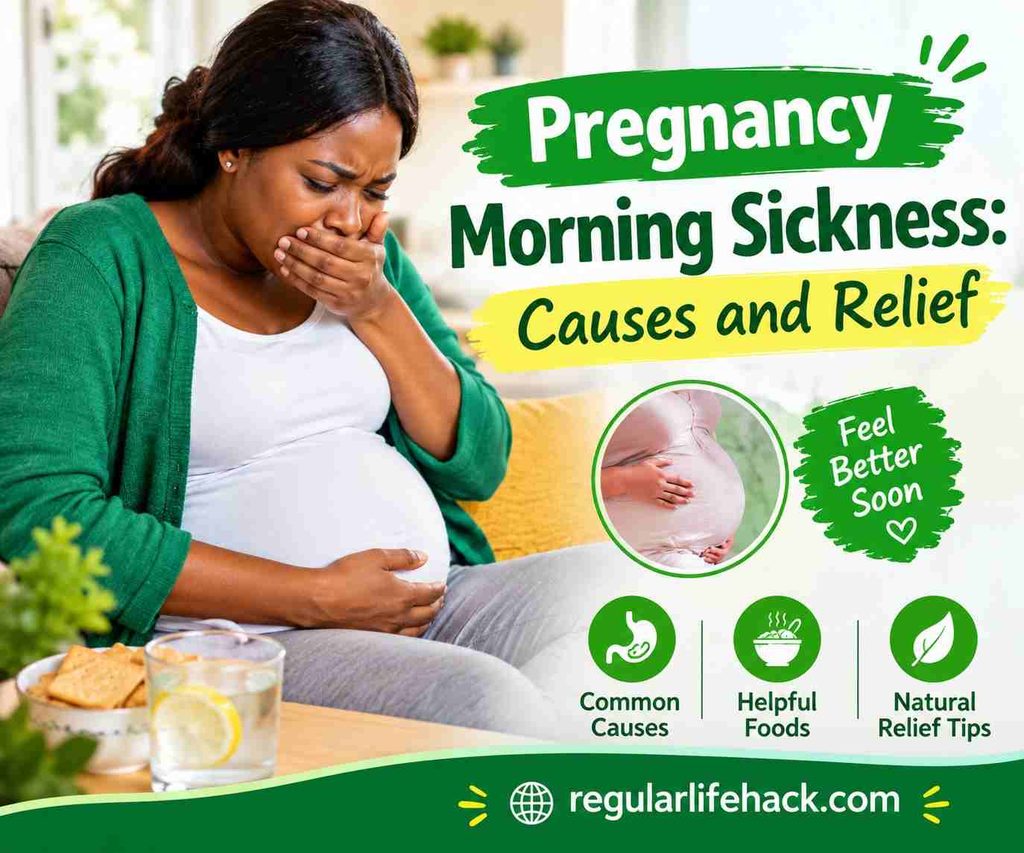
Morning sickness is a common symptom of pregnancy that causes nausea and vomiting or both. It can happen any time of day or nite, despite its name. For some women it is mild and manageable and for others it is difficult to eat, drink or carry out daily activities.
Plus, discovering good morning sickness relief can help you feel more comfortable and get enough nutrition and hydration during pregnancy.
Reasons for Morning Sickness
The precise cause of morning sickness is unknown but the hormonal changes of pregnancy are thought to be a major factor. Changes in hormones, including human chorionic gonadotropin (hCG), can cause nausea.
Other factors that may worsen symptoms:
- Heavy odours such as perfumes or cooking odours.
- Too long without food or on an empty stomach.
- Fatigue and sleep deprivation.
- Certain foods like fried foods or spicy foods.
- Individual sensitivity to changes in pregnancy.
Morning sickness usually starts in the first few weeks of pregnancy and improves at around weeks 16 to 20. However, some women have symptoms for longer.
7 Tips to Combat Morning Sickness
1. Eat Small, Frequent Meals
Eat smaller meals and snacks throughout the day instead of three large meals. For some women, an empty stomach can make nausea worse.
Choose foods you can tolerate, like toast, crackers, rice, potatoes or other simple foods.
2. Ginger
Ginger can help some women reduce mild pregnancy-related nausea. You might want to try ginger tea or foods with ginger in them. If you take medication, or are considering concentrated ginger supplements, ask a healthcare professional.
3. Keep Hydrated
Frequent vomiting can cause dehydration. Take small sips of water or other suitable fluids frequently, rather than drinking a lot at once.
If you are having trouble keeping fluids down, get medical attention right away.
4. Avoid Triggers
Be mindful of which smells, foods or situations aggravate your nausea. Avoiding these triggers may help if possible. Cold foods may be easier to tolerate as they tend to have less smell than hot foods.
5. Get Enough Rest
Fatigue can make nausea seem worse. Keep a regular sleep schedule and take rest when you need it. If you can, a bit of gentle activity might make you feel better.
6. Consider Your Prenatal Vitamins
Some women find prenatal vitamins, especially those with iron, can exacerbate nausea. “Don’t stop prescribed supplements without advice. Discuss with your healthcare professional whether a different time of day, formulation or dose is appropriate for you.
Recommended Reading
How to Calculate Your Pregnancy Due Date
Healthy Relationships In Christian Homes
The Integrity of Job: Worshipping God in the Midst of Loss
Finding Time for Your Partner in a Busy Schedule
7. Ask About Medication
If home treatments are not effective, a healthcare professional can suggest an appropriate treatment for pregnancy. Vitamin B6 (pyridoxine) is sometimes suggested for nausea in pregnancy, either alone or with doxylamine, based on your medical history and local guidelines. Never start any medication without making sure that it is the right one for you.
When to Go to the Doctor
Seek medical attention if vomiting occurs often or is severe, or if you have trouble eating and drinking or your symptoms interfere with your daily life.
Get emergency medical help if you cannot keep fluids down, urinate very little, feel faint or confused, or have severe pain in your stomach, fever, or blood in your vomit. Severe pregnancy sickness may be hyperemesis gravidarum and may need medical treatment.
Conclusion
You may need to try a few different things to find the right morning sickness relief. You can try eating small meals, sipping fluids, resting, avoiding triggers and trying ginger to relieve mild symptoms. If you have persistent or severe nausea or vomiting, seek professional care rather than suffer in silence. There are effective treatments to make you feel better and to help keep your fluids up during pregnancy.