Headaches are very common in pregnancy, especially in the first trimester. Hormonal changes, fatigue, dehydration and alterations in daily habits can be causes of headaches during pregnancy. While many headaches are minor, some can be a sign of a serious condition that requires medical attention.
Knowing the reasons for headaches during pregnancy and safe ways to treat them can help you cope with the discomfort while keeping yourself and your baby healthy.
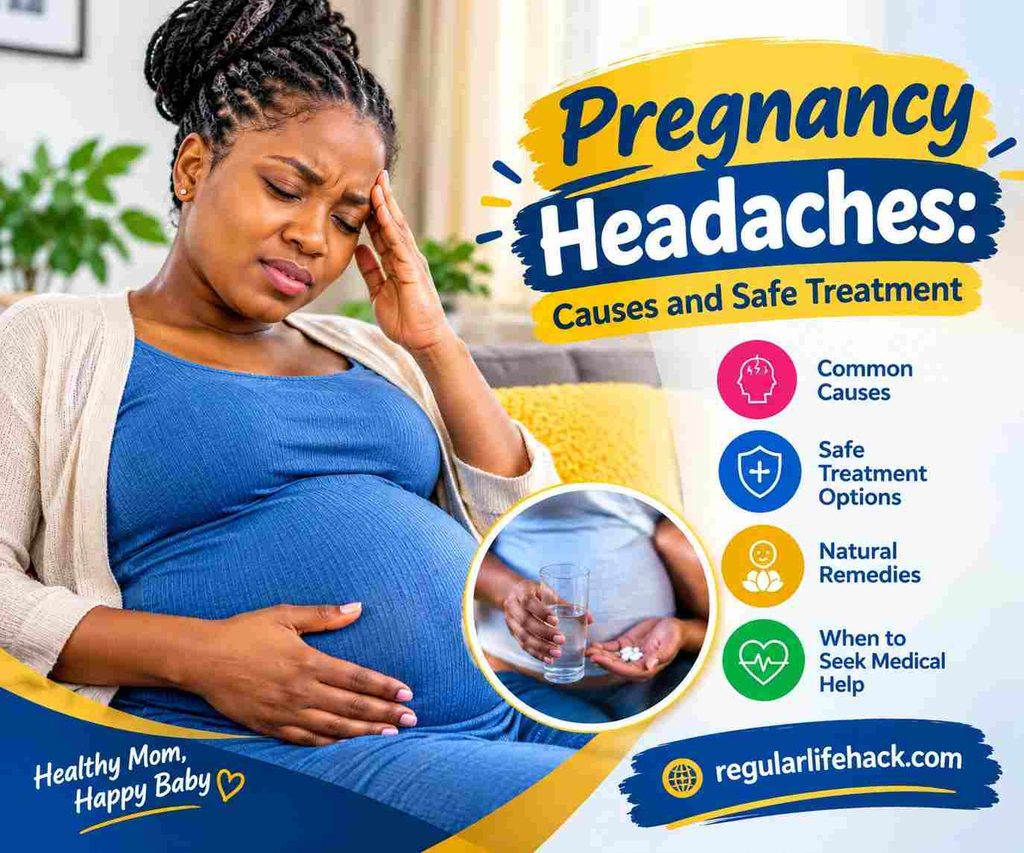
Why Do Pregnant Women Get Headaches?
There are some things that can cause headaches in pregnancy.
1. Hormone Changes
Headaches can be caused by changes in oestrogen and other pregnancy hormones, particularly in the first trimester.
2. Dehydration
Not drinking enough can lead to headaches. You may need more fluids during pregnancy, especially in hot weather or if you’re active.
3. Sleep Deprivation and Fatigue
Pregnancy’s effect on sleep quality. Headaches can be caused by fatigue, stress, or irregular sleeping patterns.
4. Hypoglycemia
A headache can be a symptom of hypoglycemia, or low blood sugar. Eating regular meals and healthy snacks can help you keep your energy levels up.
5. Caffeine Changes
Withdrawal headaches can occur with a sudden drop in caffeine. However, the caffeine intake should be within the guidelines for pregnancy.
6. Other reasons
Sinus congestion, muscle tension and a history of migraines may also be involved. Don’t attribute new or severe headaches, particularly in the later stages of pregnancy, to normal pregnancy changes.
6 Safe Ways to Treat Headaches in Pregnancy
1. Drink Lots Of Water
Drink plenty of water through the day. If you’ve been sweating a lot or vomiting, you may need more fluids If you can’t take fluids, call a healthcare professional.
2. Eating Healthy Meals Regular
Don’t skip meals. Make sure to include a variety of whole grains, protein, fruits and vegetables to help keep energy levels steady.
3. Get Some Sleep
When you get a headache, try to go to bed at the same time each nite and rest in a quiet, comfortable room.
Recommended Reading
Pregnancy Morning Sickness: Causes and Relief
Healthy Relationships In Christian Homes
Tips for Keeping Trust in a Relationship
Job: Worshipping God in the Midst of Loss
4. Apply a Cool or Warm Compress
A cool cloth on the forehead may help ease discomfort. A warm compress on tight neck muscles may also be soothing.
5. Practice Light Relaxation
You may be able to prevent tension headaches by practicing gentle stretching, slow breathing and physical activity appropriate for pregnancy. Stop any activity that makes your symptoms worse.
6. Discuss Medication with a Doctor
Paracetamol (acetaminophen) is often used as a first-line painkiller in pregnancy if needed, but you should get professional advice and stick to the recommended dose. Use for the shortest time necessary.
Do not take ibuprofen, naproxen, aspirin for pain relief, or migraine medicines without first talking to your doctor. Some medicines can be unsafe to take in pregnancy, especially at certain times. Aspirin taken for a medical reason related to pregnancy is different; do not discontinue prescribed medication without consulting your clinician.
When Are Headaches Dangerous During Pregnancy?
If you have a severe, sudden, persistent or unusual headache, particularly after 20 weeks of pregnancy, seek urgent medical assessment.
Symptoms of pre-eclampsia, a serious pregnancy complication, can include headaches with blurred vision, flashing lights, pain under the ribs or in the upper abdomen, sudden swelling of the face or hands, or vomiting.
Get emergency help if you have a sudden, very severe headache; weakness; confusion; fainting; seizures; or trouble speaking. Don’t wait to see a doctor to try home remedies.
Conclusion
Many headaches during pregnancy can be helped by hydration, regular meals, adequate rest, and gentle relaxation. But new, frequent, or intense headaches should be evaluated. Always check with your healthcare professional before taking medication and seek urgent care if you see warning signs. A quick assessment helps keep you and your baby safe.