Eating a balanced diet is an important part of preparing your body for pregnancy. Fruits, vegetables, nuts, seeds, and dairy products provide essential nutrients that support general health and reproductive wellbeing.
If you are planning to conceive, adding healthy smoothies for fertility to your diet can be a convenient way to enjoy different nutritious ingredients. Although smoothies cannot guarantee pregnancy or treat infertility, they can help increase your intake of vitamins, minerals, fibre, and healthy fats.
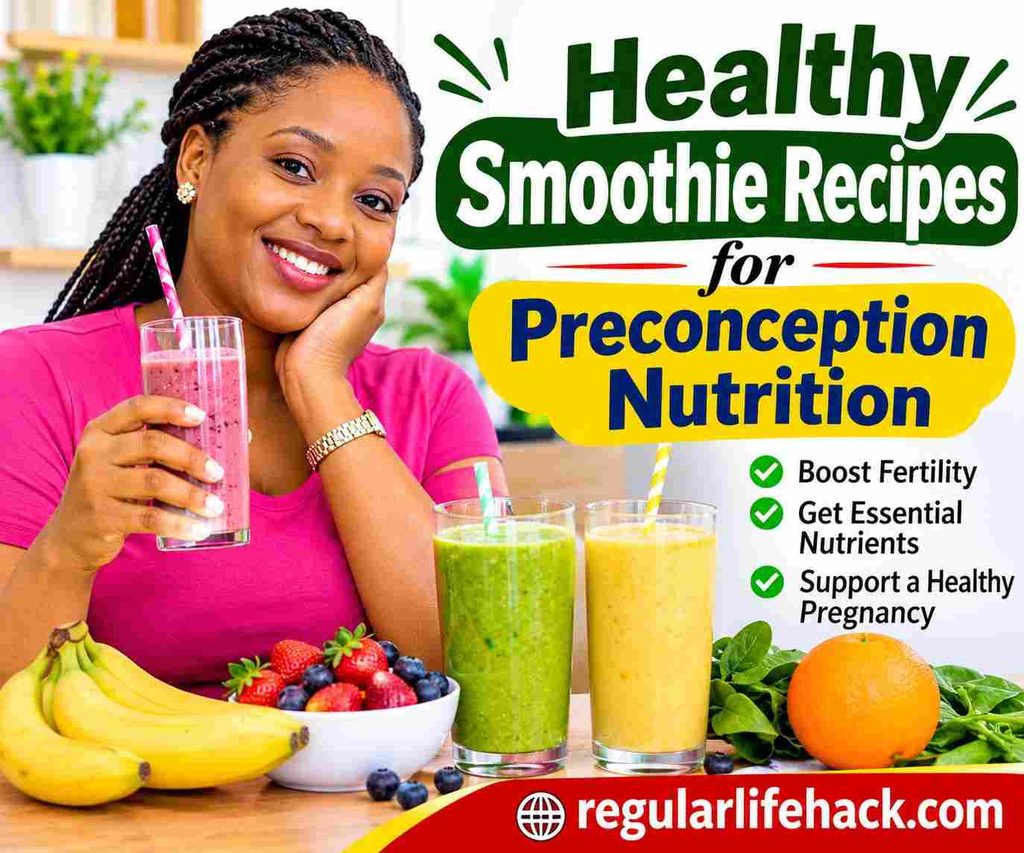
Here are five simple smoothie recipes you can prepare at home.
1. Spinach and Banana Smoothie
This smoothie combines leafy greens and fruit to provide folate, vitamin C, fibre, and other beneficial nutrients.
Ingredients:
- 1 ripe banana.
- 1 cup fresh spinach.
- ½ cup plain yoghurt.
- ½ cup water or milk.
- 1 tablespoon ground flaxseeds.
Preparation:
Wash the spinach thoroughly. Add all ingredients to a blender and blend until smooth. Serve immediately.
2. Avocado and Berry Smoothie
Avocados provide healthy fats and folate, while berries contain vitamin C and antioxidant compounds.
Ingredients:
- ½ ripe avocado.
- ½ cup strawberries.
- ½ cup blueberries.
- 1 cup milk or fortified plant-based milk.
- 1 teaspoon chia seeds.
Preparation:
Wash the berries, scoop out the avocado, and combine everything in a blender. Blend until creamy and enjoy.
3. Orange and Carrot Smoothie
This refreshing combination provides vitamin C and beta-carotene, which the body can convert into vitamin A.
Ingredients:
- 1 peeled orange.
- 1 medium carrot, washed and chopped.
- ½ banana.
- ½ cup plain yoghurt.
- ½ cup water.
Preparation:
Place all ingredients in a blender and process until smooth. Add a little more water if necessary.
4. Mango and Yoghurt Smoothie
Mangoes provide vitamins A and C, while yoghurt supplies protein and calcium.
Ingredients:
- 1 cup chopped ripe mango.
- ½ cup plain yoghurt.
- ½ cup milk.
- 1 tablespoon ground flaxseeds.
Preparation:
Combine the ingredients in a blender and blend until smooth. Serve chilled.
5. Groundnut and Banana Smoothie
Groundnuts provide protein, healthy fats, and vitamin E. Combined with bananas and milk, they make a filling smoothie.
Ingredients:
- 1 ripe banana.
- 1 tablespoon unsweetened groundnut butter.
- 1 cup milk.
- 1 tablespoon oats.
- A little water if needed.
Preparation:
Add everything to a blender and blend until creamy. Serve immediately.
Recommended Reading
Understanding Your Menstrual Cycle and Fertility
What Happens During a Miscarriage?
Tips for Rebuilding Trust After Betrayal
Healthy And Happy Marriages In Church
Tips for Making Healthy Fertility Smoothies
To get the most nutritional benefit from your smoothies:
- Use fresh or properly frozen fruits and vegetables.
- Avoid adding excessive sugar or sweetened syrups.
- Include protein sources such as plain yoghurt or milk.
- Add seeds and nuts in moderate amounts.
- Wash fresh produce thoroughly.
- Choose pasteurised milk and yoghurt, particularly when planning pregnancy.
Do Smoothies Really Improve Fertility?
Including healthy smoothies for fertility in your daily meals can help you consume important nutrients, but no specific smoothie has been proven to increase fertility or guarantee conception.
Remember that smoothies should complement a balanced diet rather than replace regular meals. Women planning pregnancy should also take 400 micrograms of folic acid daily, starting before conception and continuing through the first 12 weeks of pregnancy, unless a healthcare professional recommends a different dose.
Conclusion
These five healthy smoothies for fertility offer simple ways to include fruits, vegetables, protein, and healthy fats in your everyday diet. Choose ingredients you enjoy, vary your recipes, and focus on balanced nutrition.
Good nutrition supports preconception health, but fertility also depends on several other factors. If you have concerns about becoming pregnant, consult a qualified healthcare professional for appropriate advice.