Besides tracking ovulation and eating healthy meals, there’s more to preparing your body for pregnancy. Getting the right vitamins and nutrients before conception can support reproductive health and help get your body ready for a healthy pregnancy.
Many women looking for fertility vitamins are trying to figure out what nutrients are important, where to get them and if supplements are necessary.
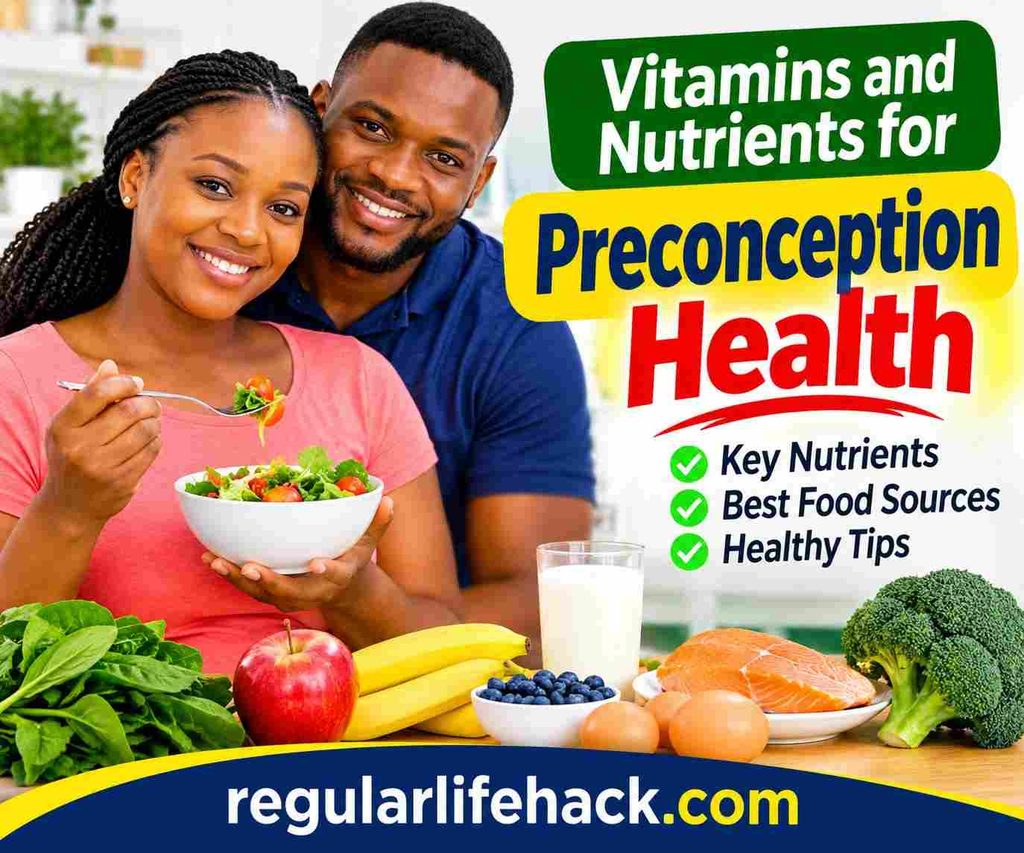
Vitamins do not guarantee pregnancy or cure infertility but certain nutrients are important for reproductive health and the development of the baby in early stages. If you are planning to conceive, there are some key nutrients you should know about.
1. Folic Acid
Folic acid is one of the most important supplements to consider prior to pregnancy. It helps prevent neural tube defects, which affect a baby’s brain and spinal cord development early in life.
Women planning to become pregnant are usually advised to take 400 micrograms of folic acid a day, starting before they conceive and continuing through the first 12 weeks of their pregnancy.
Folate occurs naturally in many foods including spinach, beans, peas, broccoli and avocados. However, food sources do not substitute the recommended folic acid supplement.
Some women may also require a higher prescribed dose based on their medical history.
2. Vitamin D
Vitamin D is important for healthy bones, the immune system and normal muscle function. It also helps in reproductive processes.
You can get vitamin D by safe sun exposure, oily fish, egg yolks and fortified foods.
Women with low levels of vitamin D may require supplements, but large doses should not be taken without medical advice.
3. Iron
Iron helps your body make haemoglobin, the protein in red blood cells that carries oxygen.
It is important to get enough iron before pregnancy because your iron needs increase during pregnancy.
Good sources of food:
- Beans and lentils.
- Spinach and other leafy vegetables.
- Lean meat.
- Fish.
- Iron-fortified cereals
Eating plant-based iron foods alongside vitamin C-rich foods like oranges and tomatoes can boost iron absorption.
4. B12 vitamin
Vitamin B12 helps your body make healthy red blood cells, function nerves and form DNA.
It is naturally found in animal products like eggs, milk, fish, meat and poultry. People who are strict vegetarians or vegans may need to eat fortified foods or take supplements.
Sufficient levels of vitamin B12 are particularly important before and during pregnancy.
5. Zinc
Zinc is an important mineral which supports cell growth, immune health and normal reproductive function.
Sources of food include beans, nuts, seeds, eggs, meat, and seafood.
Zinc. Most people will get enough zinc from a well-rounded diet. But too much zinc supplement can lead to health problems and interfere with the absorption of other minerals.
6. Omega-3 fatty acids:
Omega-3 fatty acids are important for heart health and for a baby’s brain and eye development during pregnancy.
Good sources are salmon, sardines, mackerel, walnuts, chia seeds and flaxseeds.
When selecting fish, opt for low mercury varieties, particularly if planning to conceive.
Recommended Reading
How to Track Ovulation for Pregnancy Planning
Morning anxiety: Causes and Prevention
Tips for Coping with the Challenges of Long-Distance Relationship
Dealing with Offenses: The Trap of Unforgiveness
7. Iodine
Iodine helps the thyroid gland to produce hormones that control metabolism and aid brain development during pregnancy.
Sources include iodised salt, dairy, eggs and some seafood.
Iodine requirement goes up in pregnancy. Talk to your doctor about whether a supplement containing iodine is right for you.
Fertility Supplements – Should You Take Them?
Not every woman needs to take a slew of supplements when trying to conceive. Important first steps are to take folic acid supplements when needed, treat any nutritional deficiencies you have, and eat a good diet.
Before you start using products that claim to boost fertility, talk to a healthcare professional. Some supplements contain too much of an ingredient or ingredients that may not be right when trying to get pregnant.
Conclusion:
Knowing what you need nutritionally is the first step in choosing the right fertility vitamins. Folic acid, vitamin D, iron, vitamin B12, zinc, omega-3 fatty acids and iodine are all important for general health and preconception preparation.
Supplements don’t guarantee conception and they don’t cure all fertility vitamins problems. Eat a well-rounded diet, take recommended folic acid and speak to a qualified healthcare professional for personalised advice before taking additional supplements.