Breastfeeding requires energy and good nutrition to support both mother and baby. Many nursing mothers look for natural ways to maintain healthy breast milk production, particularly when they feel their supply is not meeting their baby’s needs.
Eating a balanced diet is important during this period. Although no particular food is guaranteed to increase milk production, certain nutritious foods can support maternal health and provide essential nutrients during breastfeeding.
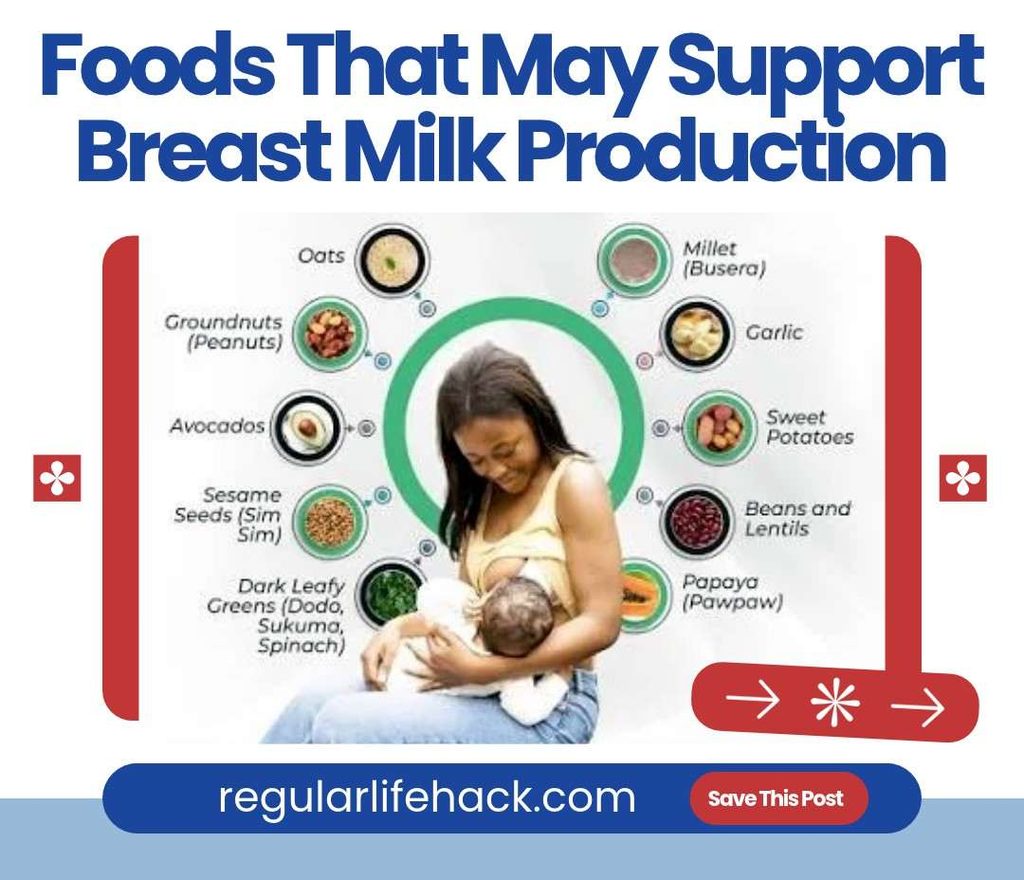
In this guide, we explore some foods to increase breast milk supply as part of a healthy breastfeeding diet.
1. Oats
Oats are a popular breakfast choice among breastfeeding mothers. They provide fibre, carbohydrates, iron and other nutrients that support general health.
You can enjoy oats as porridge, overnight oats or blended into smoothies with fruits and milk.
2. Leafy Green Vegetables
Vegetables such as spinach, ugu (fluted pumpkin leaves), kale and broccoli provide vitamins, minerals and antioxidants.
These vegetables can be included in soups, salads and everyday meals to support a balanced diet.
3. Beans and Lentils
Beans, lentils and other legumes are excellent sources of plant-based protein, iron and fibre.
They are affordable and versatile foods that can help breastfeeding mothers meet their nutritional needs. Include them in soups, stews, porridge and other meals.
4. Nuts and Seeds
Almonds, groundnuts, walnuts, sesame seeds and pumpkin seeds contain healthy fats, protein and important minerals.
They make convenient snacks and can also be added to breakfast cereals, smoothies and homemade meals.
5. Eggs
Eggs provide high-quality protein, choline and several essential vitamins. Choline is particularly important for normal brain development.
Boiled eggs, scrambled eggs and vegetable omelettes are simple ways to include them in your breastfeeding diet.
6. Fish
Fish provides protein and important nutrients, including omega-3 fatty acids. Options such as salmon and sardines can be useful additions to a balanced diet.
Choose fish that is low in mercury and follow local food-safety guidance when selecting seafood during breastfeeding.
7. Whole Grains
Brown rice, whole-wheat bread, millet and other whole grains provide carbohydrates, fibre and essential nutrients.
They help provide sustained energy, which can be valuable when caring for a newborn and breastfeeding frequently.
8. Fruits
Fruits such as oranges, bananas, pawpaw, apples and avocados provide vitamins, minerals, fibre and, in some cases, healthy fats.
Enjoy different fruits throughout the day as snacks or add them to smoothies and breakfast meals.
9. Yoghurt and Milk
Yoghurt and milk provide protein, calcium and other nutrients that support maternal health.
Choose pasteurised dairy products and include them as part of a varied diet. If you avoid dairy, calcium-fortified alternatives can also be suitable.
10. Water and Other Healthy Fluids
Water is essential for maintaining hydration during breastfeeding. Keep water nearby and drink regularly according to your thirst.
Soups, milk and other nutritious drinks can also contribute to your daily fluid intake. However, drinking excessive amounts of water does not automatically increase breast milk production.
Recommended Reading
Benefits of Breastfeeding for Mothers and Babies
Can You Get Pregnant Immediately After Miscarriage?
HOLY SPIRIT AND ANOINTING: PRESENCE AND POWER OF THE SPIRIT
Overcoming the Spirit of Fear: Walking in Power, Love, and a Sound Mind
Do These Foods Really Increase Breast Milk Supply?
Some foods, including oats, leafy vegetables and seeds, are traditionally recommended as milk-boosting foods. However, there is limited scientific evidence that any specific food reliably increases breast milk production.
The most important factor is effective and frequent milk removal through breastfeeding or expressing. If your baby is not transferring milk properly, changing your diet alone may not solve the problem.
Tips for Maintaining Healthy Breast Milk Production
- Breastfeed regularly according to your baby’s hunger cues.
- Ensure your baby has a comfortable and effective latch.
- Eat varied, nutritious meals.
- Drink enough water.
- Seek professional support if you suspect low milk supply.
Conclusion
Including oats, leafy vegetables, beans, eggs, fish, nuts and fruits in your daily meals can support your nutritional needs while breastfeeding. Although these foods to increase breast milk supply are healthy choices, no single food guarantees higher milk production.
Focus on a balanced diet, frequent breastfeeding and effective milk removal. If your baby has poor weight gain or fewer wet nappies than expected, consult a healthcare professional or qualified lactation consultant.