Breastfeeding is one of the most natural ways to nourish a newborn baby, but getting started can sometimes be challenging for new mothers. From finding the right feeding position to understanding when your baby is hungry, there is a lot to learn during the first few weeks.
This guide to breastfeeding for beginners explains the basics, offers practical tips and helps new mothers feel more confident about feeding their babies.
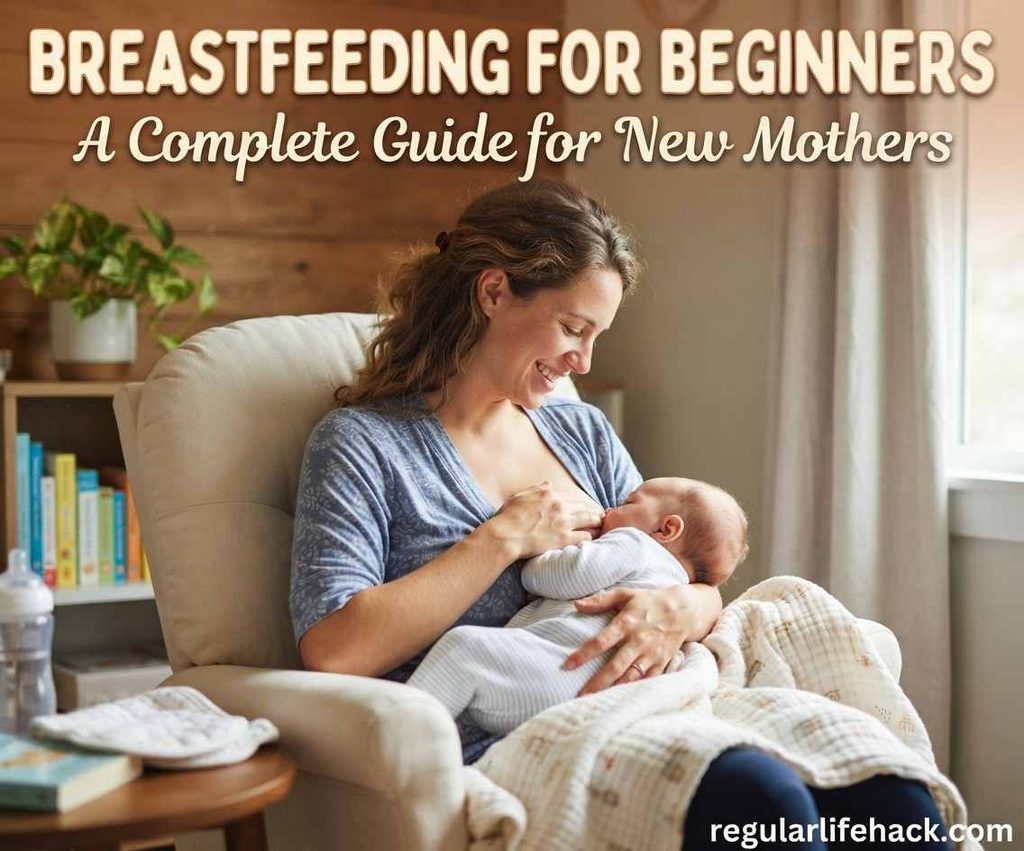
Why Is Breastfeeding Important?
Breast milk provides essential nutrients that support a baby’s growth and development. It contains antibodies that help protect babies against certain infections and illnesses.
Breastfeeding also offers benefits for mothers. It supports bonding with the baby and helps the uterus return towards its pre-pregnancy size after childbirth. It can also be convenient and economical because breast milk is readily available.
How to Get Started With Breastfeeding
Whenever possible, begin breastfeeding soon after delivery, ideally within the first hour. Early skin-to-skin contact can help your baby recognise feeding cues and begin breastfeeding.
During the first few days, your breasts produce colostrum, a thick, yellowish first milk rich in nutrients and protective antibodies. Although produced in small amounts, it is specially suited to your newborn’s needs.
Ask a midwife or lactation consultant for assistance if you are struggling to get your baby to latch.
Best Breastfeeding Positions for New Mothers
Finding a comfortable position makes breastfeeding easier for both mother and baby. Some common positions include:
- Cradle hold: Rest your baby’s head in the bend of your arm while supporting the body.
- Cross-cradle hold: Use the opposite arm to support your baby’s head and guide them towards your breast.
- Football hold: Tuck your baby under your arm, with their feet pointing behind you.
- Side-lying position: Lie on your side facing your baby, keeping their nose level with your nipple.
Choose a position that allows you to relax while keeping your baby’s head and body properly supported.
How Often Should You Breastfeed?
Newborn babies generally need breastfeeding 8–12 times within 24 hours. Some babies feed more frequently, particularly during growth spurts.
Rather than following a strict timetable, watch for early hunger signs, including:
- Turning their head towards your breast.
- Opening their mouth or sticking out their tongue.
- Bringing their hands towards their mouth.
- Making sucking movements.
Crying is often a late hunger sign, so try to offer the breast before your baby becomes upset.
How to Know If Your Baby Is Getting Enough Breast Milk
New mothers sometimes worry that their babies are not getting enough milk. However, several signs can help you assess whether feeding is going well.
Look out for:
- Regular wet and dirty nappies appropriate for your baby’s age.
- Audible swallowing during feeds.
- A baby who appears satisfied after some feeds.
- Steady weight gain after the initial newborn weight loss.
Your midwife or paediatrician can monitor your baby’s weight and feeding progress.
Recommended Reading
Understanding Your Menstrual Cycle and Fertility
What Happens During a Miscarriage?
Tips for Rebuilding Trust After Betrayal
Healthy And Happy Marriages In Church
Common Breastfeeding Challenges
Breastfeeding may take time to become comfortable. Some mothers experience sore nipples, breast engorgement, difficulty with latching or concerns about milk supply.
These problems can often be managed with appropriate support. Persistent pain, fever, breast redness or concerns about your baby’s feeding should be discussed promptly with a healthcare professional.
Do not feel discouraged if breastfeeding does not happen perfectly from the beginning.
Practical Breastfeeding Tips for New Mothers
Here are some helpful ways to make your breastfeeding journey easier:
- Drink enough water and eat balanced, nutritious meals.
- Find a quiet and comfortable place for feeding.
- Keep your baby close and practise skin-to-skin contact.
- Avoid forcing your baby to feed.
- Seek professional support when breastfeeding becomes painful or difficult.
- Give yourself time to learn and adjust.
Conclusion
Breastfeeding for beginners becomes easier with patience, practice and the right support. Understanding feeding positions, recognising hunger cues and monitoring your baby’s progress can help you build confidence as a new mother.
Every breastfeeding journey is different. Focus on your baby’s needs, take care of yourself and seek professional guidance whenever necessary. Remember, getting support is a positive step towards giving your baby the best possible start.