After a miscarriage, it is natural to wonder when your period and fertility will return to normal. For many women, ovulation after miscarriage can occur sooner than you might think, even before the first period.
Knowing when ovulation might occur again can help you understand your body’s changes and make informed decisions about future pregnancy planning.
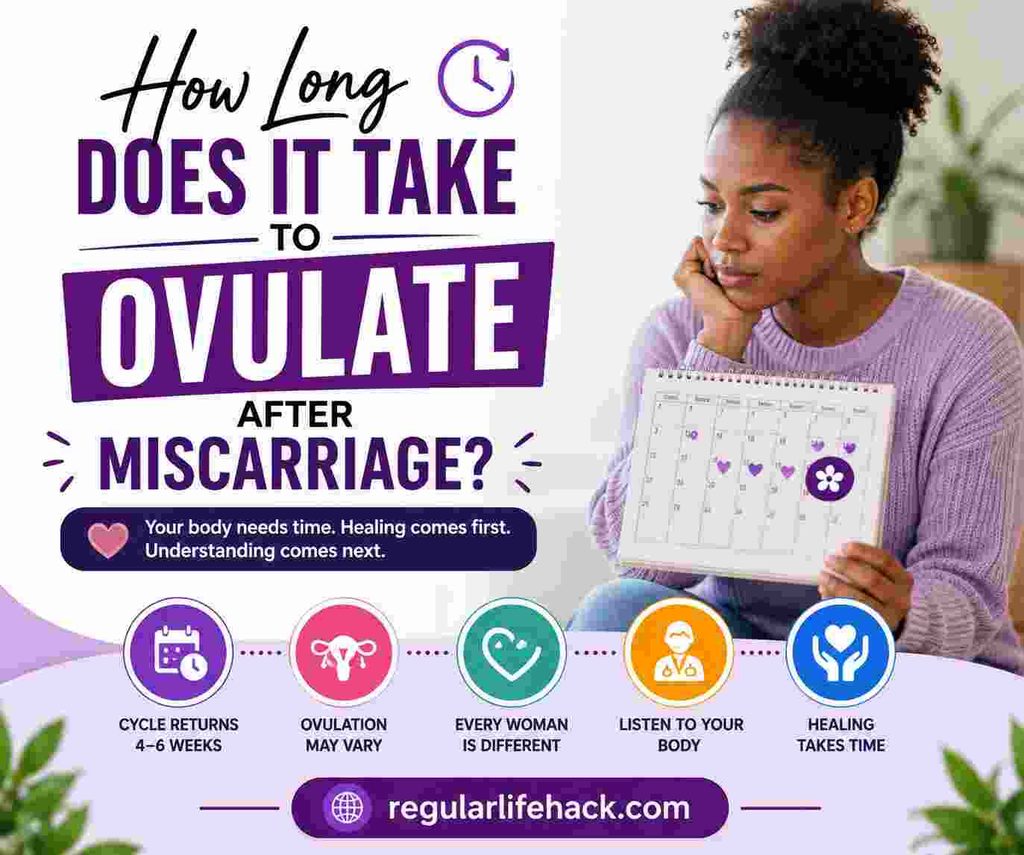
When does ovulation return after miscarriage?
Ovulation can occur as soon as 2-4 weeks after a miscarriage, but the timing is different for everyone. It is contingent upon things like how far along the pregnancy was, how quickly the pregnancy hormones decrease and whether any medical treatment was needed.
Ovulation occurs before menstruation, so you can get pregnant prior to your first period after a miscarriage.
For some women, it may take several weeks or longer for the menstrual cycle to regulate.
What Affects Ovulation After a Miscarriage?
There are a few factors that can affect how soon your fertility returns:
Pregnancy hormone levels: Ovulation normally starts again when levels of human chorionic gonadotropin (hCG) fall sufficiently.
How far along the pregnancy was: Hormone levels may take longer to return to their normal range after a later pregnancy loss.
Treatment received: The timing of the return of your cycles can be affected by medication or a procedure following a miscarriage.
Unique menstrual patterns: Every woman’s reproductive system is different.
Signs of Ovulation After a Miscarriage
You may notice the usual signs of ovulation as your cycle returns to normal. These may include:
- Clear, slippery cervical fluid
- Slight pain in the pelvis
- Higher sexual desire
- Basal body temperature changes
- A positive ovulation predictor test.
But these signs are not always reliable immediately after a miscarriage, as hormones can take some time to settle down.
Can you conceive before your first period?
Yes. Ovulation after miscarriage can occur before your first period, meaning you can get pregnant before your cycle returns to its previous pattern.
If you do not want to get pregnant right now, talk with a health care professional about the best kind of birth control for you. A health care professional can help you decide what’s best for you, based on your own recovery, if you want to become pregnant again.
Recommended Reading
Signs of an Incomplete Miscarriage
Finding Time for Your Partner in a Busy Schedule
The God of the Second Chance: Restoration After a Fall
When to see a doctor?
If you have any concerns about your recovery contact a healthcare professional, especially if you experience very heavy bleeding, severe or worsening pain, fever, dizziness or unusual vaginal discharge.
If your periods do not return after several weeks, or if you are worried that pregnancy hormones have not returned to normal, you might want to seek medical advice.
Preparing for Pregnancy After a Miscarriage
If you are considering trying to get pregnant again, consider scheduling a preconception visit. A healthcare professional can look at your recovery, medications, health conditions and nutritional needs.
You can help promote a healthy pregnancy by getting prenatal care, eating a healthy diet, avoiding smoking and alcohol, and taking folic acid as recommended.
Conclusion
Ovulation after miscarriage can occur within a few weeks, sometimes before the first period. However, timing differs considerably from person to person. Monitoring your cycle and consulting with a healthcare professional about your recovery can help you learn when your fertility is returning and plan your next steps with more confidence.