Fertility treatment offers different options for individuals and couples experiencing difficulties with conception. Two commonly discussed procedures are intrauterine insemination (IUI) and in vitro fertilisation (IVF).
Although both treatments aim to help achieve pregnancy, they work differently and are suitable for different medical situations. Understanding IUI vs IVF can help people learn about their options before discussing treatment with a qualified fertility specialist.
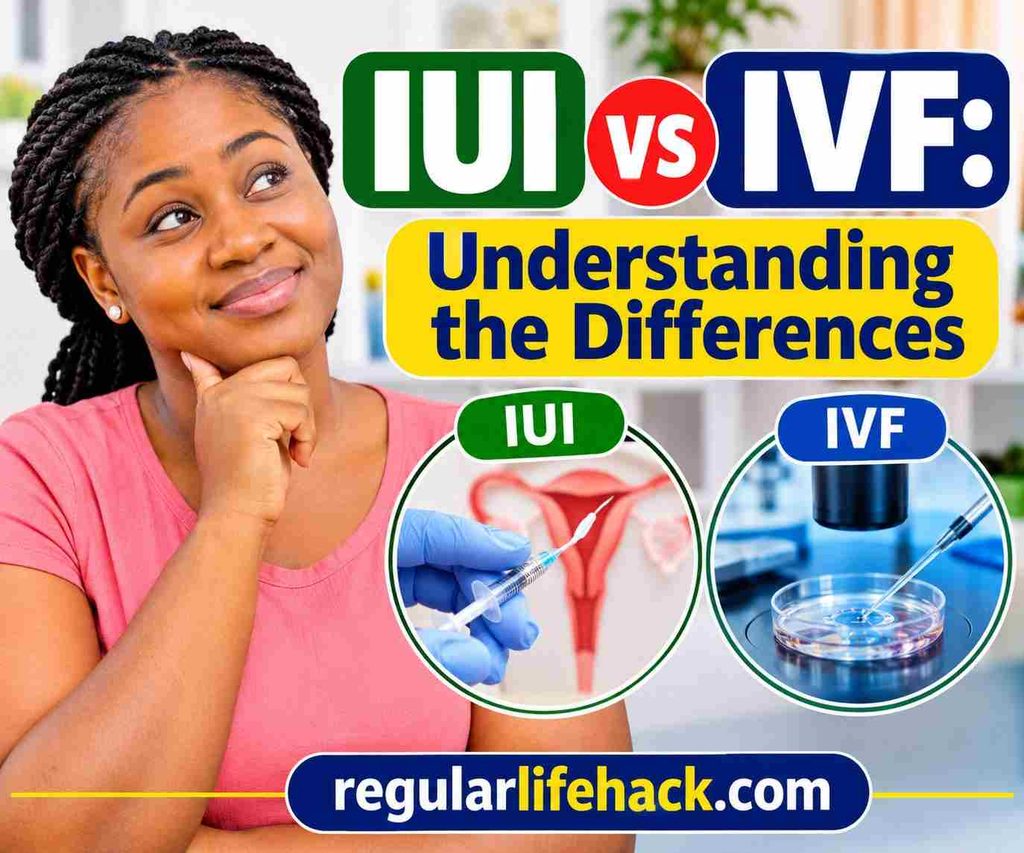
What Is IUI?
Intrauterine insemination (IUI) is a fertility procedure in which specially prepared sperm is placed directly into the uterus around the time of ovulation.
The aim is to bring sperm closer to the fallopian tubes, where fertilisation may occur naturally.
The process generally involves:
- Monitoring ovulation.
- Collecting a sperm sample.
- Preparing the sample in a laboratory to select suitable sperm.
- Placing the prepared sperm into the uterus using a thin catheter.
Some IUI cycles involve fertility medication, while others use the natural menstrual cycle.
What Is IVF?
In vitro fertilisation (IVF) is an assisted reproductive technology in which eggs are collected from the ovaries and fertilised with sperm in a laboratory.
The main stages include:
- Ovarian stimulation: Medication encourages the ovaries to develop multiple eggs.
- Egg collection: Mature eggs are collected through a medical procedure.
- Fertilisation: Eggs are combined with sperm in a laboratory.
- Embryo development: Fertilised eggs are monitored as they develop.
- Embryo transfer: A suitable embryo is placed into the uterus.
A pregnancy test is performed later to determine whether treatment has been successful.
IUI vs IVF: Key Differences
| Feature | IUI | IVF |
| Fertilisation | Occurs inside the body | Occurs in a laboratory |
| Egg collection | Not required | Required |
| Medication | Sometimes required | Usually required |
| Procedure | Sperm placed in uterus | Embryo transferred to uterus |
| Complexity | Generally simpler | More complex |
| Cost | Usually lower | Usually higher |
The exact procedures, costs and treatment requirements vary between clinics and individual circumstances.
Who May Benefit from IUI?
A fertility specialist may consider IUI in situations involving:
- Unexplained infertility in selected cases.
- Mild male-factor fertility problems.
- Difficulties with cervical mucus.
- Use of donor sperm.
- Certain ovulation-related problems.
IUI generally requires at least one functioning fallopian tube and suitable sperm.
Who May Benefit from IVF?
IVF may be recommended for people experiencing:
- Blocked or severely damaged fallopian tubes.
- More significant male-factor infertility.
- Certain cases of endometriosis.
- Some unexplained fertility problems.
- Previous unsuccessful fertility treatments.
IVF may also be considered when other treatment options are unlikely to be suitable.
Recommended Reading
How to Track Ovulation for Pregnancy Planning
Morning anxiety: Causes and Prevention
Tips for Coping with the Challenges of Long-Distance Relationship
Dealing with Offenses: The Trap of Unforgiveness
Which Treatment Is More Successful?
IVF generally has higher pregnancy rates per treatment cycle than IUI, but success depends on several factors, including age, reproductive health, diagnosis, egg quality and sperm quality.
IUI may be a suitable starting option for some people because it is less invasive and generally less expensive.
However, neither procedure guarantees pregnancy. A fertility specialist can explain realistic success rates based on individual medical information.
What Are the Possible Risks?
Both procedures have potential risks.
IUI may involve mild discomfort, infection or an increased chance of multiple pregnancy when fertility medication is used.
IVF may involve medication side effects, ovarian hyperstimulation syndrome, multiple pregnancy and ectopic pregnancy.
A qualified specialist should explain these risks before treatment begins.
Conclusion
Understanding IUI vs IVF helps explain the differences between two commonly used fertility treatments. IUI involves placing prepared sperm inside the uterus, while IVF involves fertilising eggs in a laboratory before transferring an embryo.
The most appropriate treatment depends on individual reproductive health, medical history, cost and personal circumstances. Consulting a qualified fertility specialist is the best way to understand the available options.