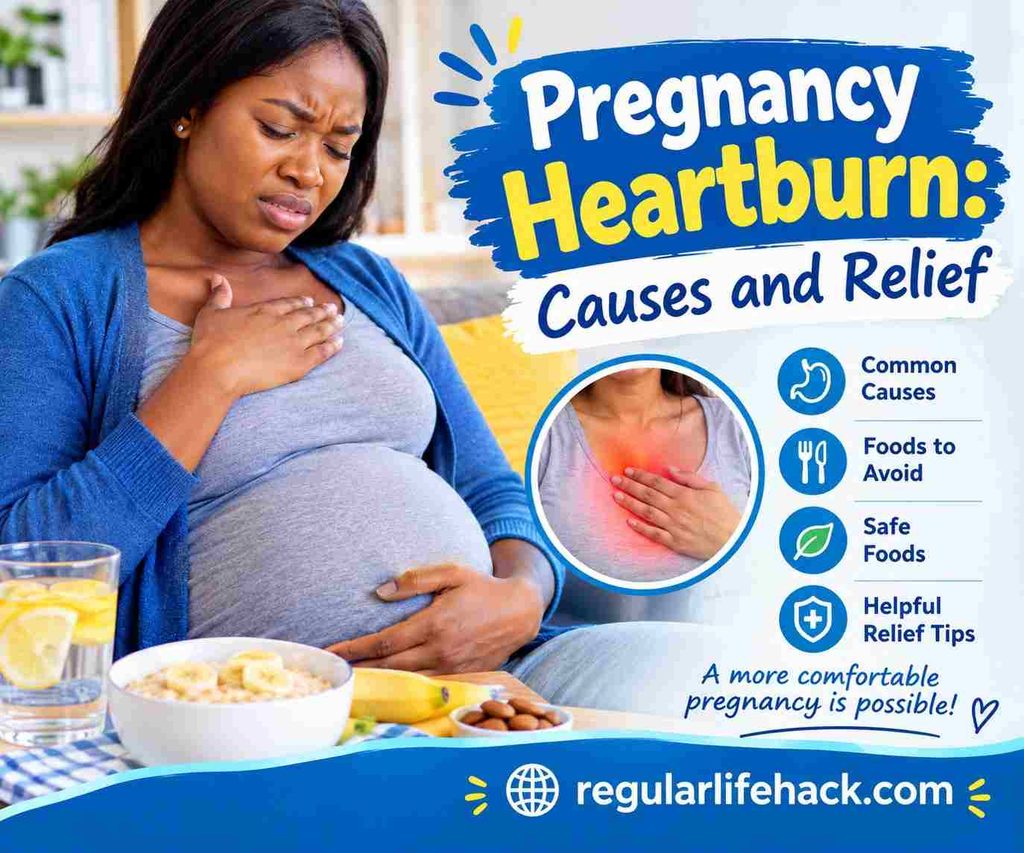
Heartburn is a common pregnancy complaint. It may burn your chest or throat, particularly after eating or when lying down. It can be uncomfortable but there are practical ways to manage it safely. Knowing what causes pregnancy heartburn and finding the right pregnancy heartburn relief can help make your pregnancy more comfortable.
Why Do I Get Heartburn When Pregnant?
Heartburn occurs when stomach acid flows back into the oesophagus, the tube that carries food from your mouth to your stomach.
Two big changes can lead to pregnancy heartburn:
Hormonal changes:
• The hormones of pregnancy, especially progesterone, relax muscles throughout the body, including the valve between the stomach and oesophagus. This increases the risk of acid refluxes.
Baby’s growth: The uterus stretches and puts pressure on the stomach. It can also help to push stomach contents up, particularly in the later stages of pregnancy.
Heartburn can happen at any time but is more likely to become more noticeable as the pregnancy progresses.
7 Tips To Ease Heartburn During Pregnancy
1. Take Smaller Bites
Big meals can put more pressure on your stomach and make reflux worse. Instead of eating a few large meals, try eating smaller portions more often during the day.
2. Stay away from trigger foods
Certain foods and beverages can aggravate heartburn. The usual triggers are spicy foods, fatty or fried foods, chocolate, citrus fruits, tomatoes, coffee and fizzy drinks.
Triggers vary from person to person, so pay attention to which foods affect you and adjust your diet accordingly.
3. Remain Standing after Meals
Do not lie down right after eating. It may help to remain upright for two to three hours after eating to reduce acid reflux.
If you suffer from heartburn mostly at nite, try to eat your evening meal earlier.
4. Sleep on a High Head
Elevating the head of your bed or using a wedge pillow can also help with nite time reflux. Just adding a few pillows under your head may not be enough support.
Some people have found that they get less reflux if they sleep on their left side.
5. Drink Fluids Wisely
Regularly drink water throughout the day. If you feel too full when drinking large amounts with meals, try sipping smaller amounts of water with food and drinking more between meals.
6. Wear Loose Fitting Clothes
Tight clothes around your waist and abdomen can put pressure on your stomach. Wear loose, comfortable clothes that don’t squeeze your growing belly.
7. Ask About Pregnancy-Safe Medications
If lifestyle changes aren’t enough, talk to your healthcare professional or chemist about treatments that may be suitable. Some antacids and alginates may be safe to use in pregnancy but not all products are suitable.
Some antacids can interfere with iron or folic acid absorption so ask how far apart to take them. Do not attempt self-medication with baking soda or herbal remedies without professional advice.
Recommende Reading
Early Signs of Pregnancy
Healthy Relationships In Christian Homes
The Prayer Life of Elijah: Moving the Hand of God
Tips for Rebuilding Trust After Betrayal
When to See a Doctor?
Tell your health care professional if you have ongoing, severe heartburn or if it is affecting your ability to eat or sleep.
Not every burning sensation or chest discomfort is heartburn. If you have severe or persistent chest pain, or chest pain that radiates to your arm, back, neck or jaw; or if you have difficulty breathing, call 911 or go to an emergency room right away. If you’re pregnant and you have severe pain in the upper part of your belly, especially if you also have a very bad headache or changes in your vision, you need to be seen right away, too.
Conclusion
Effective pregnancy heartburn relief often starts with eating smaller meals, avoiding your personal food triggers, staying upright after eating and changing your sleeping position. If your symptoms persist, a healthcare professional can suggest appropriate treatment. As your pregnancy progresses, there are many steps women can take to ease heartburn and make themselves more comfortable.