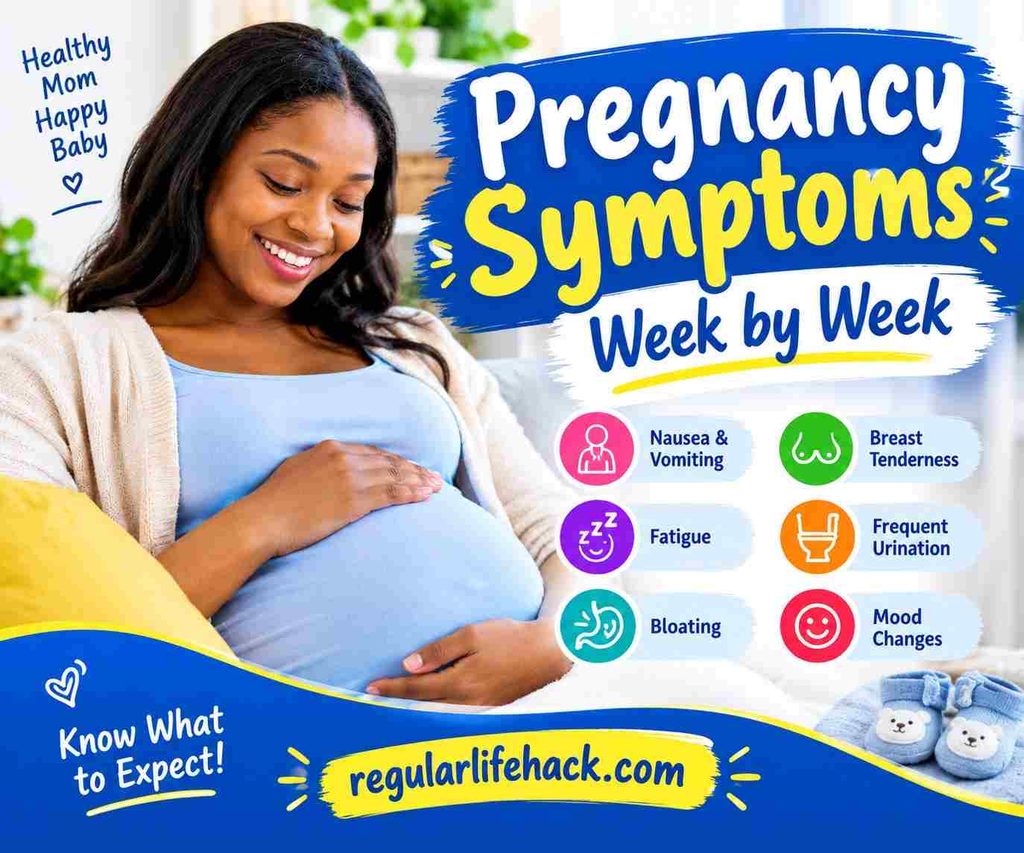
Knowing Pregnancy Symptoms Week by Week can help you identify the physical and emotional changes that may take place as your pregnancy advances. Every pregnancy is different and some people have lots of symptoms and some people have very few. Symptoms may also vary from one week to the next.
Weeks 1-2: Getting ready for pregnancy
In the first two weeks of a dated pregnancy, you may not have even become pregnant yet. Pregnancy is usually dated from the first day of the last menstrual period. You may have your normal menstrual symptoms and then ovulation in about the second week.
Week 3: Conception
Fertilisation may occur around week 3. Most people won’t notice obvious pregnancy symptoms at this stage. Some people may feel mild cramping or other subtle changes but these are not reliable signs of pregnancy.
Week 4: Possible early signs
By week 4, a missed period may be the first thing you notice. Some women may also feel breast tenderness, fatigue, mild cramping, bloating, and need to urinate more often. At this point a pregnancy test may be able to detect a pregnancy.
Week 5: Hormones on the Rise
At 5 weeks pregnant, your pregnancy hormones are shooting up. Nausea, fatigue, tender breasts, frequent urination, mood changes and sensitivity to certain smells are common symptoms. Some people have few symptoms.
Week 6: Nausea and Fatigue
Around week 6, pregnancy symptoms may become more noticeable. Common symptoms include morning sickness, fatigue, breast tenderness, frequent urination and food aversions. Nausea can strike at any time of day, not just in the morning.
Weeks 7-8: Symptoms Amplify
Hormonal changes can cause increased nausea, fatigue, bloating, constipation and breast changes. You may also notice changes in your appetite and your sense of smell may be more acute.
Weeks 9–12: The First Trimester Wraps Up
Symptoms may last into weeks 9-12. Nausea and fatigue can persist for a while but some people feel better by the end of the first trimester. You may also suffer heartburn, headaches, constipation and emotional changes.
Weeks 13 to 20: The Second Trimester
You might feel you have more energy in the second trimester. The nausea may improve but the growing uterus can cause some mild stretching or discomfort in the abdomen. Other possible symptoms are heartburn, congestion of the nose, skin changes and increased appetite.
Weeks 21-27: Developing Baby
As pregnancy progresses the abdomen becomes more pronounced. You can get backaches, leg cramps, heartburn, swelling and sleep problems. You may also become more aware of your baby’s movements.
Recommended Reading
Ectopic Pregnancy vs Miscarriage
The Power of a Positive Confession
Red Flags: Warning Signs of Toxic Relationships
The Hidden Reasons Why We Can’t Stop Overeating
Weeks 28–36: Third Trimester
In the third trimester, the baby is growing and you may feel more discomfort. Common symptoms include backache, pressure in the pelvis, frequent urination, heart burn, shortness of breath, swelling and difficulty sleeping.
Weeks 37–40+: Preparing for Birth
As your pregnancy nears its end, you may feel more pelvic pressure, changes in vaginal discharge, Braxton Hicks contractions, backache, and increased urination. Your body is still getting ready for labour and delivery.
When you need to get medical help
Some pregnancy symptoms need to be assessed by a doctor straight away. Call a healthcare professional if you have heavy bleeding, severe abdominal pain, severe headache, vision changes, significant swelling, difficulty breathing, or other symptoms that concern you.
Conclusion
Pregnancy Symptoms Week by Week can be very different for each woman. Symptoms can be early, can vary over time or be completely absent. They also emphasise the need for regular prenatal care and communication with a qualified healthcare professional during pregnancy.