The 10 weeks pregnant milestone is a big deal. Your baby is growing quickly, and most of the major organs and body structures have begun to form. You might also notice changes in your symptoms as your pregnancy progresses.
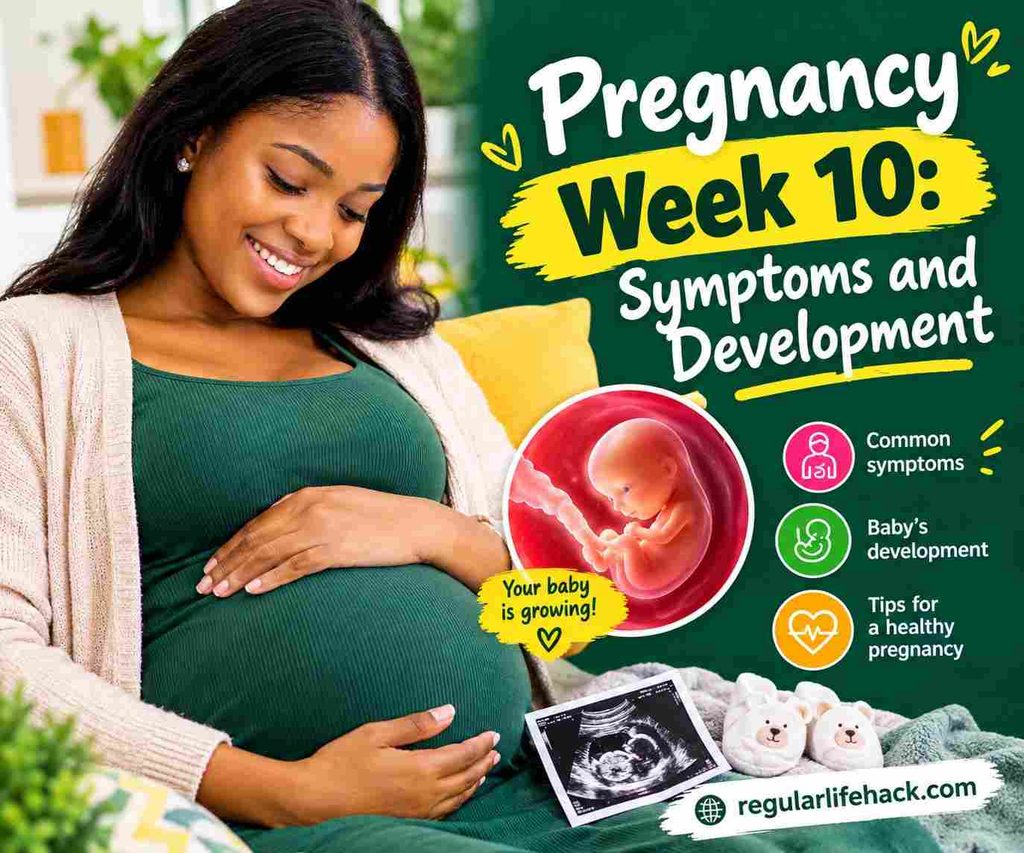
10 Weeks Pregnant: What to Expect
By 10 weeks, your baby is moving from the embryonic stage to the foetal stage. The head is still relatively large because the brain is growing rapidly, but the body is becoming more proportioned.
The baby’s fingers and toes are becoming more distinct, and the facial features are continuing to form. The jaw, nose, ears and eyelids are also solidifying.
The major organs, like the heart, kidneys, liver and digestive system, continue to develop and mature.
Baby Size: 10 Weeks Pregnant
At 10 weeks pregnant, your baby is about the size of a small strawberry, but measurements may vary. Your healthcare professional may also do an ultrasound to measure the baby’s crown-to-rump length to help confirm gestational age.
You might also see the baby making small movements but you’re unlikely to feel these yet.
10 Weeks Pregnant Symptoms
Every woman has a different experience with pregnancy symptoms. Symptoms in this stage may include:
- Nausea and/or vomitingWeariness
- Tender or swollen breasts
- Urination, frequent
- Bloating, Constipation
- Headache
- More vaginal discharge
- Cravings or aversions to food
- Increased smell sensitivity
- Unstable emotions
Some people may start to feel better as they approach the end of the first trimester, while others have ongoing severe symptoms.
Nausea and Morning Sickness
Morning sickness can still be pretty bad at week 10. Mornings are usually associated with nausea, but it can occur at any time.
It may help to eat small meals frequently, drink fluids and avoid foods or smells that cause nausea. If you cannot keep food or fluids down, talk to a healthcare professional.
Your Body at 10 Weeks
Even if you don’t have a visible baby bump yet, your uterus is still growing. Some may observe their clothes feeling tighter due to bloating and other physical changes.
Hormones can also affect your skin, hair, digestion and even your moods.
Recommended Reading
Male Factors That Can Contribute to Miscarriage
The Role of Plant-Based Eating in Animal Welfare
THE HEALTHY PASTOR: HOW TO PASTOR AND NOT FAIL
Seven Ways to Know the Voice of God
Week 10 Pregnancy Care
Regular prenatal care is key at this stage. Your healthcare professional may talk about your medical history, medications, nutrition, supplements, screening tests, and future appointments.
Continue to take the folic acid and other prenatal vitamins as directed. Eat a healthy diet, drink plenty of water, avoid alcohol and smoking and discuss any medications you are taking with your healthcare professional.
When to Seek Medical Attention
Get emergency medical help if you have heavy bleeding; severe abdominal or pelvic pain; fainting; severe dizziness; or other symptoms that concern you.
Conclusion
Your baby at 10 weeks pregnant Your baby is developing rapidly and your body is still adapting to pregnancy. Major organs and body structures are developing, and symptoms such as nausea, fatigue, breast tenderness and frequent urination may continue.
No two pregnancies are the same so symptoms and development can differ. Regular prenatal care can help keep track of your health and your pregnancy.