Many people who have had a miscarriage want to prepare their bodies for another pregnancy. While nutrition is important for overall health, supplements should not be used as a way to ensure pregnancy or to prevent another miscarriage. Based on nutritional needs and health, some supplements after miscarriage might be suggested.
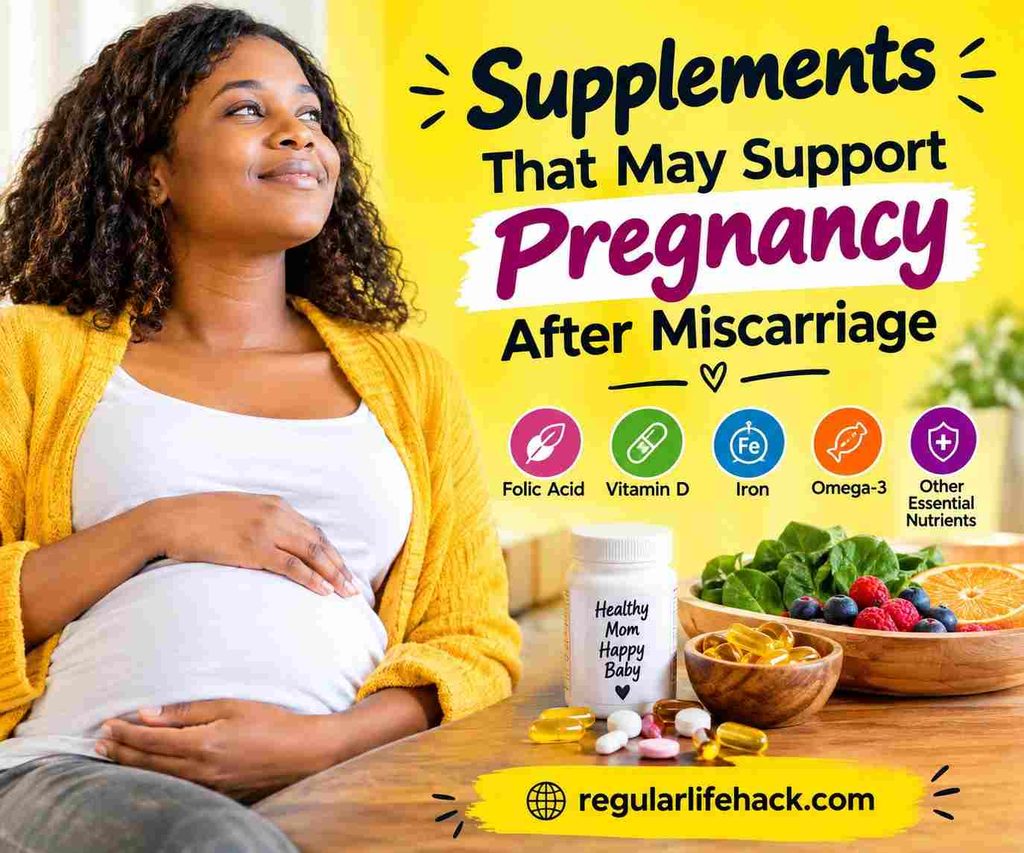
Reason to Take Supplements After Miscarriage
Nutritional requirements can change with pregnancy and blood loss. It should still be based on a well-rounded diet, but supplements may assist in correcting or preventing some deficiencies.
Always consult with a healthcare professional before taking supplements, especially if you are planning another pregnancy.
Folic Acid
Folate is one of the most important supplements for women of child bearing age. It is important in supporting the development of the baby’s neural tube in early pregnancy.
Most women are advised to take folic acid before conception and during early pregnancy. Healthcare providers might prescribe a different dose for people with certain medical conditions or risk factors.
Iron
Iron helps the body to make Haemoglobin which carries oxygen in the blood. Heavy bleeding during a miscarriage can lead to iron deficiency or anaemia.
If blood tests reveal low iron or anaemia, iron supplements might be suitable for you. However, high-dose iron supplementation can cause side effects if taken unnecessarily and should be discussed with a healthcare professional.
Vitamin D
Vitamin D contributes to maintaining healthy bones and supports the immune system and other vital functions in the body. Some people are low in vitamin D. This is especially true for people who don’t get a lot of sun or certain diets.
In specific cases, a healthcare professional can advise on whether vitamin D supplementation is appropriate.
B12 (Cobalamin)
Vitamin B12 is necessary for normal development of red blood cells and nervous-system function. People who follow a vegan diet or have certain absorption problems may be at higher risk of deficiency.
If a deficiency is identified, a healthcare provider can suggest the appropriate supplement or treatment.
Prenatal Vitamins
A prenatal vitamin can give you some of the nutrients needed before and during pregnancy such as folic acid as well as other vitamins and minerals.
But more doesn’t always mean better. Do not take more than one supplement containing the same nutrients unless your health care professional tells you it is okay. Some vitamins are harmful in large doses.
What about herbal remedies?
Be cautious with herbal products that are marketed to improve fertility, prepare for pregnancy or prevent miscarriage. Many do not have sufficient safety studies before or during pregnancy.
Nature is not safe. Inform your healthcare professional if you are planning to use any herbal products.
Recommended Reading
Top-Rated Mood Tracking Apps for Anxiety
How to Treat Seasonal Allergies Naturally
14 Steps to Build Trust in a New Relationship
Your Style, Your Power: Fashion and Identity
How To Stop Eating In The Dream
Can Supplements Help Prevent Another Miscarriage?
Supplements do not prevent most miscarriages. Chromosomal abnormalities that arise during development are often associated with early pregnancy loss.
Supplements are most useful when they fill a real nutritional gap or provide nutrients that are recommended for getting ready for pregnancy. They should be included in a holistic strategy, which also involves a well-rounded diet, healthy lifestyle and appropriate medical care.
When to Contact a Healthcare Professional
If you’ve experienced a miscarriage you might want to talk to a health professional about preparing for pregnancy – especially if you’ve had more than one miscarriage, heavy bleeding, anaemia or you already have a medical condition.
They are able to check on your health, medications, diet and nutritional requirements and advise on supplements.
Conclusion
Best supplements after miscarriage: It is contingent upon your nutritional needs and plans for future pregnancies. Folic acid is especially important if you are planning a pregnancy. Iron, vitamin D and vitamin B12 may be appropriate if you have a deficiency or increased nutritional needs.
Supplements are not a substitute for a well-rounded diet or professional medical advice.