Infections are only one of many factors that may contribute to complications in pregnancy. Many early pregnancy losses happen because of chromosomal problems in the developing pregnancy, but some infections can increase the risk of pregnancy loss. Knowing about infection causing miscarriage helps pregnant people identify symptoms and seek proper medical treatment.
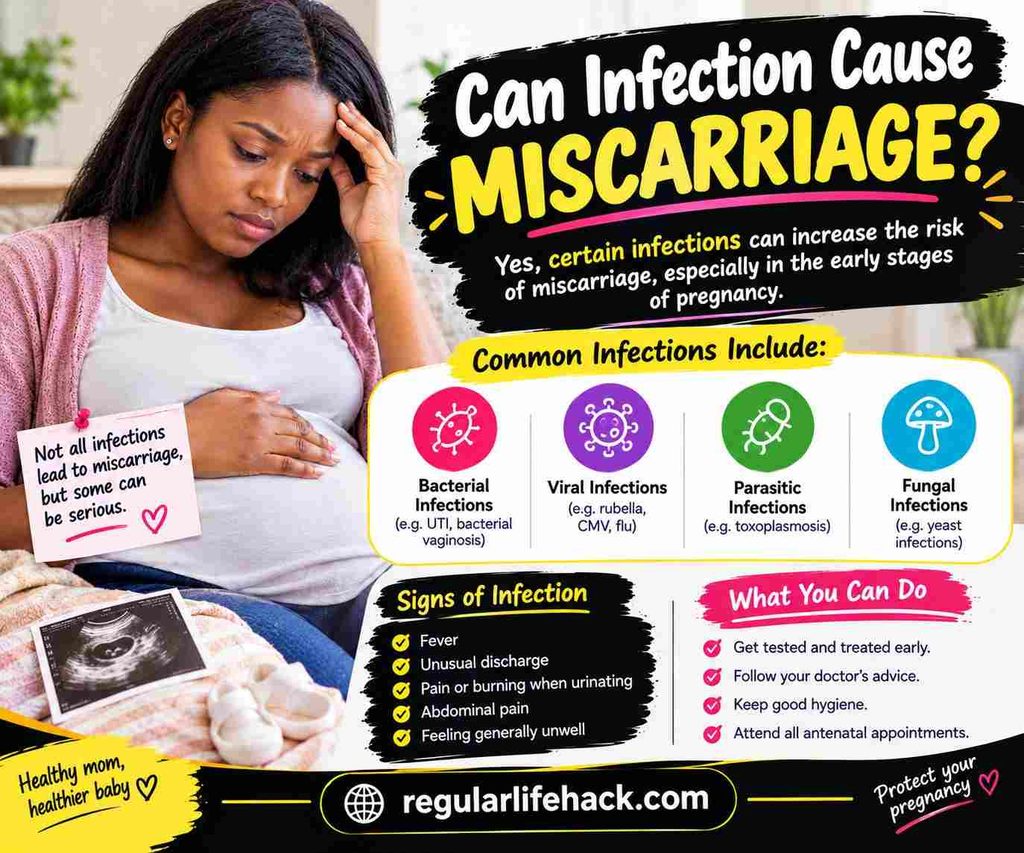
Can a miscarriage be caused by an infection?
Yes, some infections can increase the risk of miscarriage, particularly if they are left untreated or are severe. But just because you have an infection doesn’t mean you’re going to miscarry.
Infections can affect pregnancy in a number of ways. Some may cause inflammation, affect the placenta, or interfere with normal foetal development. The level of risk depends on the type of infection, when it happens and whether proper treatment is given.
Infections That Can Affect Pregnancy
Various types of infections have been associated with pregnancy complications. This may consist of:
- Some bacterial infections:
Certain infections of the reproductive or urinary system can lead to problems during pregnancy.
- Sexually transmitted infections (STIs):
Some STIs that are not treated may increase the risk of pregnancy complications.
- Parasitic infections:
Some parasites can cause serious complications during pregnancy if the infection occurs during the pregnancy.
- Infections due to viruses:
Some viruses can affect pregnancy and the development of the foetus.
- Infections with high fevers:
Certain infections that need medical evaluation during pregnancy can cause significant illness and fever.
Not all infections affect pregnancy in the same way and many infections can be treated or managed with success.
Infection in Pregnancy – Symptoms
Different symptoms can be caused by different types of infections. Signs warning of:
- Fever or chills
- Burning or pain when urinating
- Vaginal discharge or irritation that is unusual
- Pain in the abdomen or pelvis
- Cough or other respiratory symptoms that do not go away
- Unexplained fatigue or malaise
Some infections will have few or no obvious symptoms, which is why recommended prenatal screening and medical appointments are important.
How Are Infections Treated If You Are Pregnant?
Treatment depends on the type of infection. A healthcare provider may recommend treatment after performing an exam or laboratory tests.
Some infections can be treated with drugs that are safe for pregnant women. Some substances may not be suitable for use during pregnancy. It is important that you do not take antibiotics, antiviral medicines, herbal products or other treatments without professional advice.
- Stopping Infections?
Not all infections can be prevented, but a number of measures can lower the risk. These include good hand hygiene, safer sex practices, following recommended vaccination advice, preparing food safely and routine prenatal appointments.
If you have a medical condition, or develop symptoms of infection, at any time during pregnancy, seek medical advice promptly.
Recommended Reading
Early Signs Of Miscarriage Every Woman Should Know
Finding Time for Your Partner in a Busy Schedule
30 Reasons Why People Marry Wrongly (1)
Is Infection Always The Cause Of Miscarriage?
Nope. Having an infection does not necessarily mean you will have a miscarriage. Most pregnant people who contract infections can carry their pregnancies to term successfully, if they receive the right treatment.
Similarly, many miscarriages have nothing to do with infection. Chromosomal abnormalities are a common cause of early pregnancy loss and sometimes the exact cause is unknown.
When to see a doctor
See a health care provider if you have a fever, abnormal discharge, painful urination, abdominal or pelvic pain, or other signs or symptoms of infection during pregnancy.
Seek medical help immediately if you have heavy bleeding, severe pain, faint, feel very dizzy or are feeling really ill.
Conclusion
Infection causing miscarriage is a well-known concern, but infections are only one possible cause of pregnancy loss. The risk depends on the infection, severity, timing and whether treatment is given.
If you think you have an infection during pregnancy, getting checked out and treated by a professional can help protect your health and the pregnancy.