The first few weeks of pregnancy can be a time of excitement, anticipation and anxiety. Many pregnancies go smoothly, but it’s good to know the early signs of miscarriage so you can get prompt medical attention if necessary. Knowing what’s normal and what may be a medical issue can help you make informed decisions about your health.
A miscarriage is the loss of a pregnancy before 20 weeks . Most miscarriages occur in the first trimester . Miscarriages are common, but they are usually caused by chromosomal abnormalities and are generally beyond anyone’s control. Recognizing the early signs of miscarriage doesn’t mean your pregnancy will end, but it does mean you should see your healthcare provider immediately.
What is a miscarriage?
A miscarriage (spontaneous abortion) is a natural end to a pregnancy before a foetus can survive outside the womb. Medical experts say that in many miscarriages the embryo does not develop normally. Recognising the early symptoms of miscarriage can enable women to receive appropriate medical attention and emotional support if required.
Common Signs of Early Miscarriage
1. Vaginal Bleeding
One of the most common early signs of miscarriage is vaginal bleeding. It may be light spotting or heavy bleeding with clotting. Light spotting can be normal in healthy pregnancies. Heavy bleeding or persistent bleeding should never be ignored.
If you see any bleeding, contact your healthcare provider immediately for evaluation.
2. Intense abdominal pain
Mild cramping is normal as the uterus grows during pregnancy. However, severe or persistent cramping, especially when accompanied with bleeding, may be one of the early miscarriage signs.
The pain might feel like menstrual cramps and may become more severe with time.
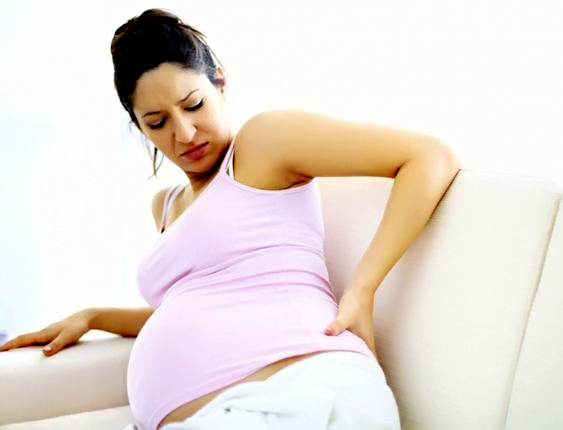
3. Constant Lower Back Pain
Constant lower back pain that doesn’t improve with rest may also be one of the early signs of miscarriage. Some women say it feels like a dull ache, while others feel sharp or rhythmic pain.
If you have back pain associated with bleeding or cramping, see your doctor right away.
4. Passing of Blood Clots or Tissue
This is one of the more worrying early signs of miscarriage — passing greyish or pink tissue through the vagina. If this happens, try to collect the tissue if possible and seek medical attention immediately so that it can be examined if necessary.
5. Pregnancy Symptoms Stop Suddenly
Another sign to look for is the sudden disappearance of pregnancy symptoms, such as
- Tenderness of breasts
- Morning sickness
- Tiredness
- Increased sense of smell.
Symptoms do vary naturally during pregnancy, but if you suddenly lose several symptoms, combined with other early signs of miscarriage, you should talk to your health care provider.
Other Symptoms
Some women may experience other warning signs such as:
- Dizziness or syncope
- Pelvic pain
- Fluid leak persistent
- Fever or chills (may indicate infection)
The symptoms may or may not be associated with a miscarriage but need immediate evaluation by a physician.
When to Get Medical Help
Call your health care provider or go to the emergency room right away if you have:
- Heavy bleeding that soaks through one or more pads an hour.
- Intense stomach pain
- Passing large blood clots or tissue
- Fever over 100.4°F (38°C)
- Foul smelling discharge from vagina*
- Extreme dizziness or fainting
Early medical evaluation can help determine whether pregnancy is proceeding normally or whether treatment is indicated.
Do These Symptoms Mean Miscarriage?
No. Keep in mind that many women experience spotting or light cramping and go on to have healthy pregnancies. Implantation, cervical changes or other non-serious reasons can sometimes cause bleeding.
Since the early symptoms of miscarriage can be similar to symptoms of normal pregnancy or other health problems, only a healthcare professional can determine whether or not you are experiencing a miscarriage through an examination, ultrasound, and blood work.
Recommended Reading
Risk Factors
Miscarriages can happen to anyone, but there are some factors that can increase the chances of them occurring, such as:
- Maternal age > 35
- Past miscarriages
- Diabetes uncontrolled* Some uterine abnormalities
- Thyroid problems
- Heavy alcohol use, illegal drug use or smoking
- Some infections
Having one or more risk factors does not mean a miscarriage will happen, but routine prenatal care is especially important.
Revommended Reading
Natural Ways to Relieve Sinus Pressure
Trust-Building Exercises for Couples
Benefits of Breastfeeding
Taking Care Of Yourself
If you have any early signs of miscarriage try to stay calm and seek medical advice as soon as possible. Do not place anything into the vagina unless your health care provider says you should. Drink lots of fluids and follow your health care provider’s instructions.
Mental well-being is also equally important. If you suffer a miscarriage, know that it is rarely due to something you did or didn’t do. Support from loved ones, counselling services, or support groups can help in the recovery process.
Conclusions
Knowing the early signs of miscarriage can help women know when medical assistance may be needed. Some of the most common warning signs include vaginal bleeding, severe cramping, lower back pain , passing tissue and sudden loss of pregnancy symptoms. But those signs don’t always indicate that a miscarriage is happening.
If you are worried about any symptoms in pregnancy please contact your healthcare provider as soon as possible. Getting evaluated early can give you peace of mind, help find any problems that might develop, and make sure you get the right care for your physical and emotional health.