If you’re trying to get pregnant, a healthy diet is an essential part of supporting your reproductive health. While no food guarantees pregnancy or cures infertility, eating the right nutrients can prepare your body for a healthy pregnancy.
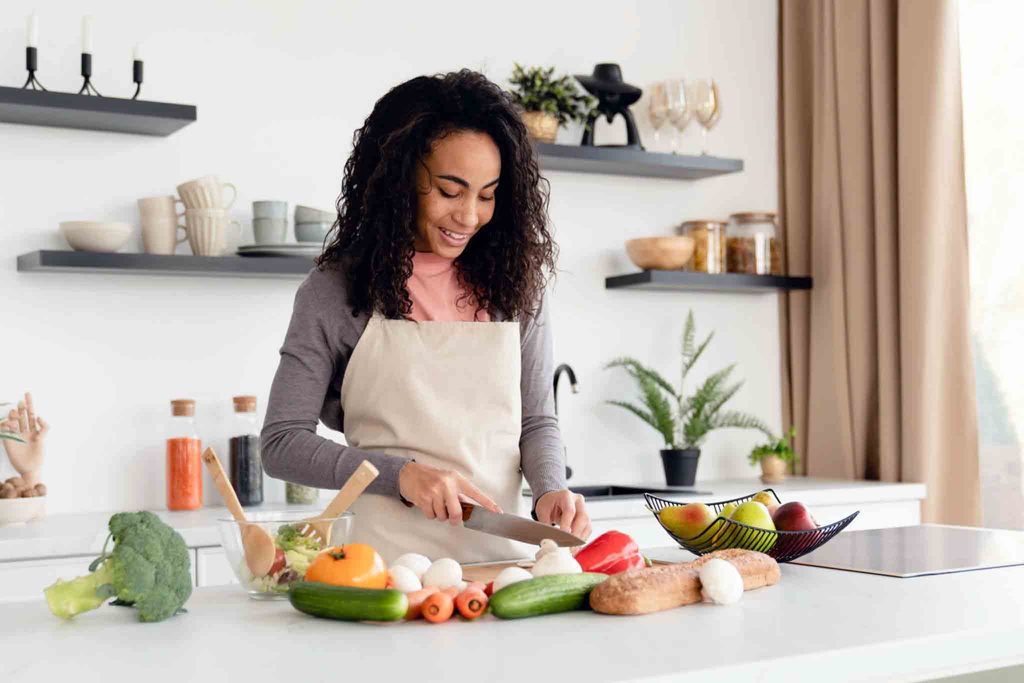
The best foods for female fertility are vegetables, fruits, whole grains, beans, nuts and other nutrient-rich foods that promote overall health. Here are some practical options to consider as you plan your meals:
1. Leafy Greens
Green leafy vegetables such as spinach, ugu, kale and other green vegetables are a good source of folate, iron and other vital nutrients.
Folate is particularly vital in the period before and early on in pregnancy because it assists in preventing neural tube defects in a developing baby. Just adding green vegetables to your everyday meals will help boost your overall intake of nutrients.
However, vegetables alone may not provide enough folic acid to meet the recommendations for planning a pregnancy.
2. Eggs
Eggs are a convenient source of protein, vitamin B12 and choline. These nutrients are important for normal body functions and for good health.
Boiled eggs, scrambled eggs, or eggs cooked with vegetables can form a balanced breakfast or lunch.
Eggs don’t directly boost fertility but they can give you some valuable nutrients to your diet.
3. Lentils and beans
Beans, lentils and other legumes provide a good source of plant-based protein, folate, iron and fibre.
They are also inexpensive ingredients that can easily be incorporated into many diets. Nigeria has foods like beans porridge, moi moi and akara that can be part of a varied diet if prepared with judicious amounts of oil and salt.
If you replace some processed meats with beans or other plant-based protein sources, you can support a balanced eating pattern. Fruits High in Vitamins and Antioxidants
Fruits such as oranges, guavas, berries, pawpaw and mangoes provide vitamins, fibre and other beneficial plant compounds.
Vitamin C helps the body absorb iron from plant foods and a variety of fruits contribute to overall nutritional health.
Do not stick to any particular fruit as a fertility remedy but pick different fruits in a week.
5. Nuts and Seeds
Nuts and seeds like groundnuts, almonds, walnuts and pumpkin seeds are a good source of healthy fats, protein and minerals such as zinc.
These nutrients are good for your overall health but little evidence suggests a specific nut or seed can boost a woman’s fertility on its own.
Snack on moderate portions or add to porridge, yoghurt or other meals.
Recommended Reading
First Prenatal Appointment: What to Expect
How Long Does Miscarriage Bleeding Last?
How to Improve Communication with Your Partner
6. Fish and other protein sources
Fish is a source of protein and depending on the type, Omega 3 fatty acids. ” A well-rounded diet can also be completed with protein-rich foods such as eggs, poultry, and beans.
If you are planning to become pregnant, avoid fish known to have high mercury levels. Choose fish that are low in mercury and follow local pregnancy food-safety guidelines.
7. Whole Grains
Whole Grains Oats, brown rice, whole-wheat bread and other whole grains give you fibre, vitamins and minerals.
Regular choices of whole grains can help keep your energy levels steady and your metabolism healthy. They can be paired with vegetables, beans, fish or eggs to make balanced meals. ## Nutrients to Consider Before Pregnancy.
Along with eating the best foods for female fertility, women planning on getting pregnant are typically advised to take 400 micrograms of folic acid a day, beginning before conception and continuing for the first 12 weeks of pregnancy.
Certain medical risk factors may mean that a higher prescribed dose is needed for some women. Talk to a healthcare provider about your specific needs and if more supplementation is appropriate for you.
The best foods for female fertility are a varied, balanced diet that gives you the nutrients you need for reproductive and general health. In addition, Practical options include leafy greens, eggs, beans, fruits, nuts, fish and whole grains.
Remember, diet alone is not going to ensure conception. If you are having irregular periods or are having trouble getting pregnant, you should speak to a qualified healthcare professional for individual advice and a proper fertility assessment.