Sperm health is an important part of male reproductive wellbeing. It is influenced by several factors, including sperm count, movement, shape and overall function. While some influences are related to genetics or medical conditions, everyday habits and environmental exposures may also play a role.
Understanding the factors that affect sperm health can help men make informed lifestyle choices and support their general reproductive health.
1. Smoking and Tobacco Use
Smoking exposes the body to harmful chemicals that can increase oxidative stress and damage cells. Research has linked tobacco use with poorer sperm quality, including reduced sperm count and movement.
Avoiding cigarettes and other tobacco products is an important step towards better overall health.
2. Alcohol Consumption
Excessive alcohol consumption may interfere with hormone production and normal reproductive function. It has also been associated with changes in sperm quality.
Reducing alcohol intake or avoiding it can support general wellbeing and may help reduce certain reproductive health risks.
3. Poor Nutrition
The body needs a variety of nutrients to support normal sperm production and function.
A diet that regularly lacks essential nutrients may affect overall health. Include a variety of foods such as:
- Fruits and vegetables.
- Whole grains.
- Beans and legumes.
- Nuts and seeds.
- Eggs and fish.
- Other sources of lean protein.
Foods rich in zinc, selenium, folate and antioxidants contribute to normal body functions. However, no specific food guarantees improved sperm quality.
4. Excessive Heat Exposure
The testicles normally function at a temperature slightly lower than the body’s core temperature. Prolonged or repeated exposure to excessive heat may affect sperm production in some men.
Certain occupational environments and frequent use of very hot baths or saunas may increase heat exposure. The effects vary, and ordinary daily activities should not automatically be considered harmful.
5. Lack of Physical Activity
Regular physical activity supports cardiovascular health, metabolic function and general wellbeing.
A sedentary lifestyle may contribute to health conditions that can affect reproductive function. Moderate activities such as walking, swimming and cycling can help support overall health.
Avoid excessive exercise, particularly when combined with inadequate nutrition or insufficient recovery.
6. Poor Sleep and Chronic Stress
Sleep supports hormone regulation and normal body functions. Consistently inadequate sleep may affect general health and reproductive wellbeing.
Long-term stress can also influence sleep, appetite and hormonal activity. Establishing a regular sleep routine and making time for relaxing activities may help support overall health.
7. Certain Medications and Substances
Some prescription medicines, anabolic steroids and recreational drugs can interfere with sperm production or reproductive hormones.
Men taking medication should not stop prescribed treatment without medical advice. A healthcare professional can review possible reproductive side effects and discuss suitable alternatives where appropriate.
Recommende Reading
Early Signs of Pregnancy
Healthy Relationships In Christian Homes
The Prayer Life of Elijah: Moving the Hand of God
Tips for Rebuilding Trust After Betrayal
8. Environmental and Occupational Exposures
Repeated exposure to certain pesticides, industrial chemicals, heavy metals and other environmental pollutants may affect sperm health.
People working with potentially hazardous substances should follow workplace safety procedures and use appropriate protective equipment.
How Can You Support Better Sperm Health?
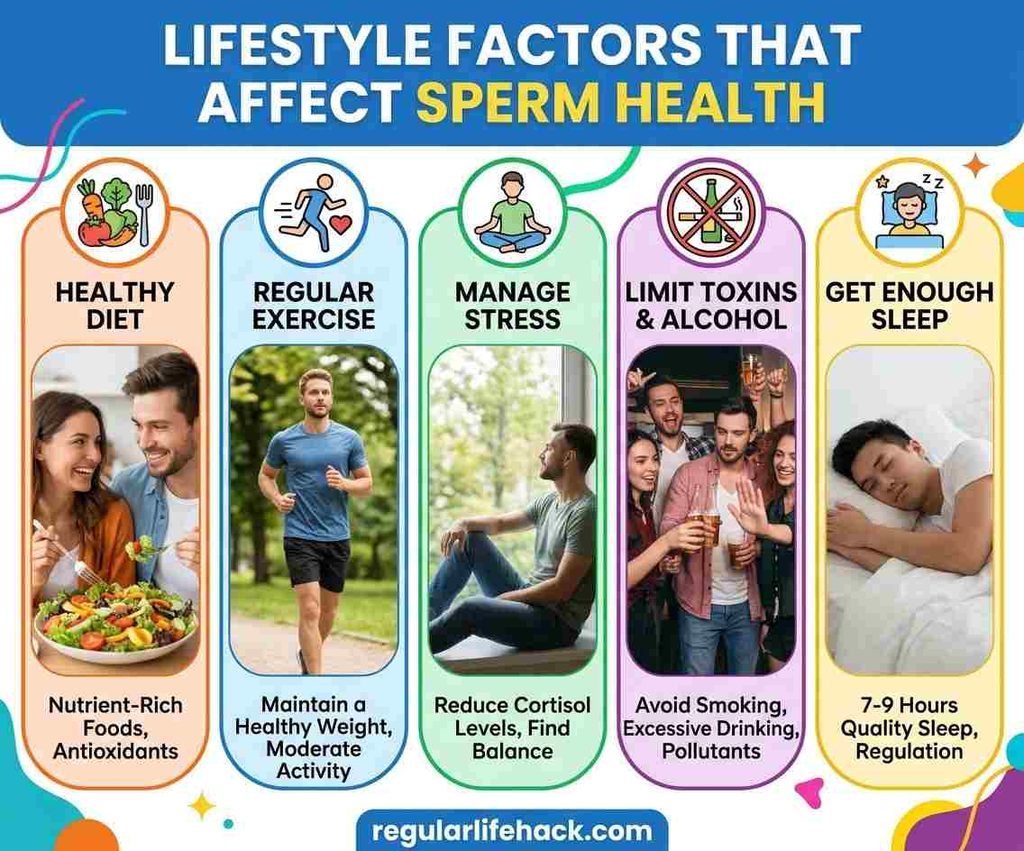
Practical steps include:
- Avoid smoking and recreational drugs.
- Maintain a balanced, varied diet.
- Exercise regularly.
- Get sufficient sleep.
- Limit excessive alcohol consumption.
- Manage long-term health conditions.
- Seek medical advice about fertility concerns.
Remember that lifestyle improvements may support reproductive health but cannot correct every underlying medical or genetic problem.
Conclusion
The main factors that affect sperm health include smoking, excessive alcohol consumption, poor nutrition, heat exposure, inadequate sleep, stress, certain medications and environmental chemicals.
Healthy habits can contribute to better overall wellbeing and support normal reproductive function. If there are concerns about sperm quality, a healthcare professional can recommend appropriate investigations, including semen analysis, and provide personalised guidance.