One of the most common symptoms related to early pregnancy loss is miscarriage bleeding. But bleeding in pregnancy is not always a sign of miscarriage. If you are bleeding in pregnancy, it is important to know how to identify miscarriage bleeding, how long it can last, and when you should seek medical help.
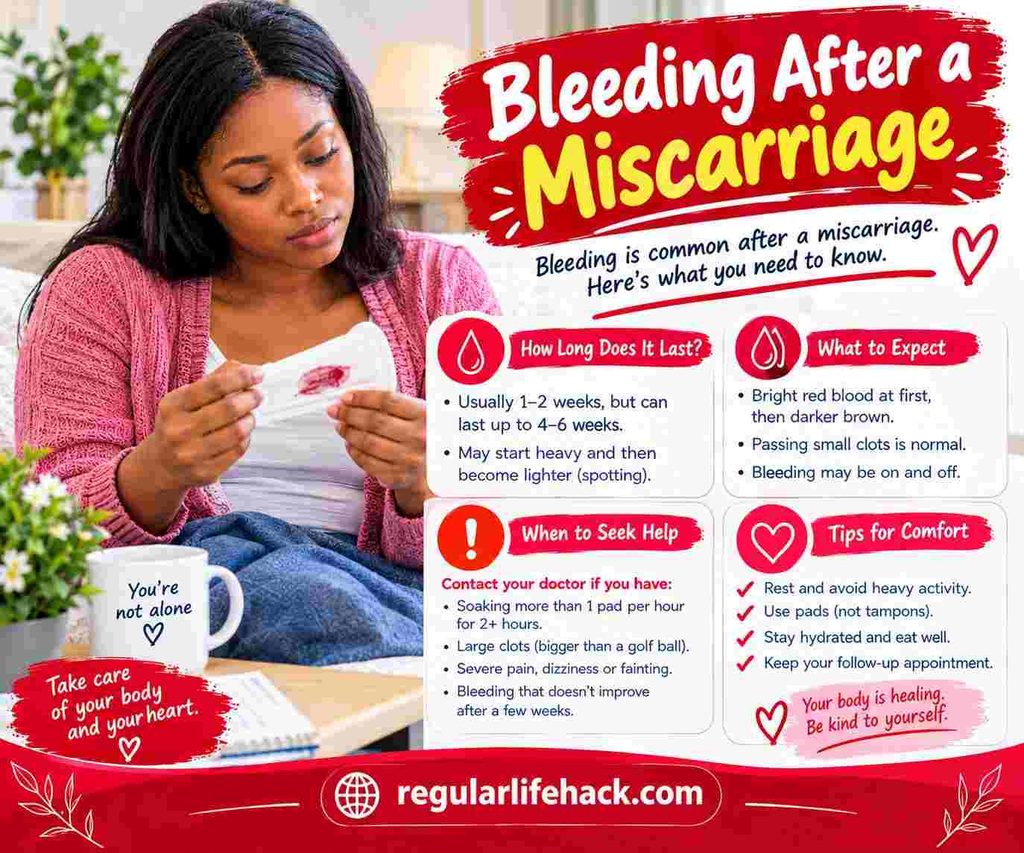
What Does Bleeding From a Miscarriage Look Like?
Bleeding in a miscarriage can vary a lot from person to person. It may start as light spotting and become heavier, sometimes with cramping in the abdomen or pelvis.
Potential features include:
- Vaginal bleeding (pink or red or brown)
- Bleeding that gets heavier over time
- Blood clots that travel
- Tissue from miscarriage
- Pain or cramping in the lower belly or back
How much you bleed doesn’t always indicate whether you’ve had a miscarriage. Some miscarriages involve little bleeding, while others involve more obvious bleeding.
How long does bleeding from a miscarriage last?
The duration of the bleeding depends partly on how far along the pregnancy is and on whether the miscarriage is complete naturally or with medication or a procedure.
Bleeding may be heavier first and then lighter as time goes on. Spotting may sometimes continue afterward.
If bleeding is heavy, starts again heavier, continues longer than it should or is accompanied by worsening pain or other concerning symptoms, contact a healthcare professional.
Does Bleeding Always Mean Miscarriage?
No. Vaginal bleeding can happen in early pregnancy for many reasons and many people who have bleeding go on to have a healthy pregnancy.
Bleeding and abdominal pain can also be an indication of ectopic pregnancy and needs urgent medical assessment. That is why bleeding alone cannot confirm a miscarriage.
A healthcare professional may use an ultrasound scan, pregnancy hormone tests and other assessments to determine the cause.
What Causes Bleeding in Miscarriage?
When a miscarriage occurs, the body starts to expel the tissue of pregnancy from the uterus. This can cause cramping and bleeding.
A large proportion of early miscarriages are due to chromosomal abnormalities in the developing pregnancy which stop normal development. These changes typically happen by accident and are not typically caused by something the person who is pregnant did.
Bleeding Following Management of a Miscarriage
If your healthcare professional confirms you have had a miscarriage they may discuss different management options with you depending on your circumstances. These can be waiting for the miscarriage to complete naturally, medication prescribed by a healthcare professional or a medical procedure.
Follow-up care may be suggested to make sure the miscarriage is complete and recovery is going as it should.
Recommended Reading
Male Factors That Can Contribute to Miscarriage
The Role of Plant-Based Eating in Animal Welfare
THE HEALTHY PASTOR: HOW TO PASTOR AND NOT FAIL
Seven Ways to Know the Voice of God
When is bleeding from miscarriage an emergency?
If you develop: seek immediate medical help:
- Very heavy bleeding.
- Severe or worsening pain in your abdomen or pelvis
- Fainting or severe dizziness
- Feeling very sick or fever
- Intense pain, especially on one side of the belly
These symptoms may be signs of complications that need immediate treatment, such as ectopic pregnancy.
Emotional Recovery
Bleeding during a miscarriage can be an emotional experience, especially if the pregnancy was wanted. You may feel sad, grief, angry, confused, anxious, or some combination of these.
Allow yourself time to recover, and consider speaking with someone you trust or a qualified health professional if you need emotional support.
Conclusion
Miscarriage bleeding can be light spotting or heavier bleeding. It can be with cramping or passing of tissue. But bleeding does not mean that a miscarriage has happened.
If you bleed in pregnancy, particularly after a positive pregnancy test, seek medical advice so that the cause can be fully investigated and the appropriate care provided.