Losing a pregnancy is often one of the most devastating experiences a woman can go through. Many women and their families understandably ask the same question: What causes miscarriage? It’s understandable to want to find answers, but it’s good to know that most miscarriages are not due to anything the mother did or didn’t do.
A miscarriage is the loss of a pregnancy before the 20th week and most often occurs in the first trimester. By understanding the causes of miscarriage, we can help to reduce unnecessary guilt, encourage proper prenatal care and discover situations where medical evaluation may be helpful.
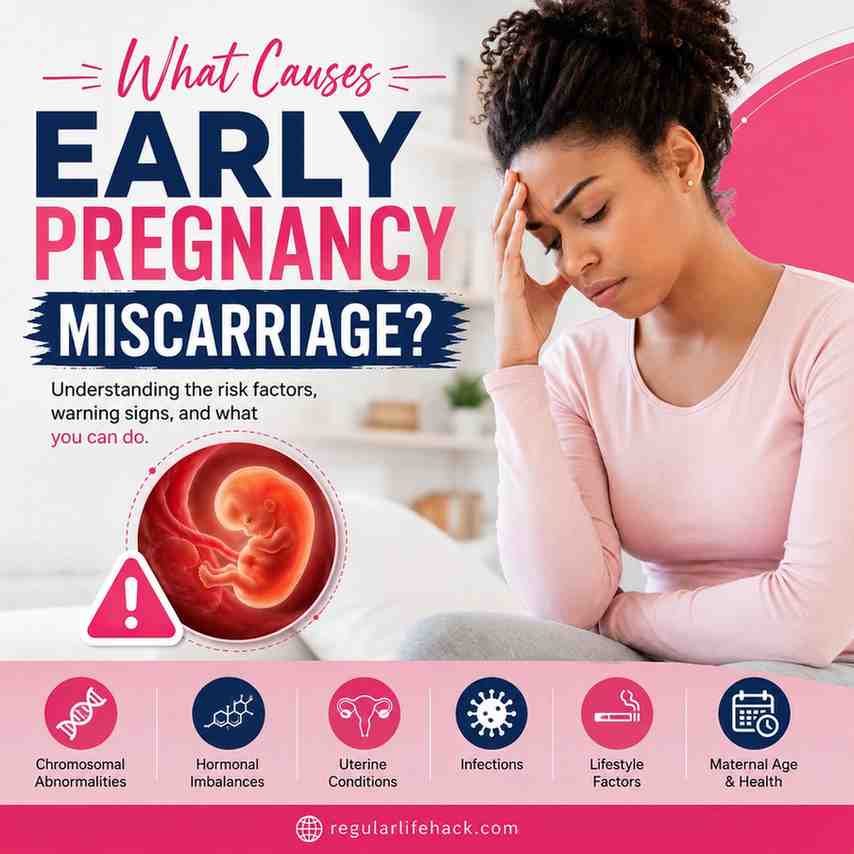
What is a Miscarriage?
Miscarriage is when a pregnancy ends on its own before the baby can live outside the mother’s body. Medical experts say that many early miscarriages happen before a woman even knows she’s pregnant. Most of the time, the causes of miscarriage have to do with things no one can control.
1. Chromosomal Aberrations
Chromosomal abnormality is the most common cause of miscarriage. When fertilization takes place, the embryo receives genetic material from each parent. Sometimes mistakes are made during this process, leading to an abnormal number or shape of chromosomes.
When they are serious, the embryo cannot develop normally and the pregnancy is terminated naturally. This accounts for a large number of miscarriages that happen in the first trimester.
2. Endocrine Disruption
Hormones are critical to a healthy pregnancy. Low levels of progesterone or conditions that affect hormone production may interfere with the growth of the uterine lining needed to support the developing embryo.
Hormonal problems are one possible cause of miscarriage but many women with hormone imbalances have healthy pregnancies with the right medical treatment.
3. conditions of maternal health
Certain medical conditions can increase the risk of pregnancy loss when not well controlled. These are:
- Diabetes that is not controlled
- Thyroid disease
- Hypertension
- Autoimmune diseases (like lupus)
- Poly cystic ovary syndrome (PCOS)
Good control of these conditions before and during pregnancy can improve the chances for a healthy outcome.
4. Diseases Of The Uterus And Cervix
Structural problems in the uterus can affect implantation or foetal development. For example:
- Fibroids of the uterus
- Congenital uterine malformations
- Uterine scar tissue
- An incompetent cervix (more usually associated with later pregnancy losses)
These physical conditions are known causes of miscarriage in some women and may require specialised medical care.
5. Infections
Certain infections during pregnancy can impact foetal development or increase the chance of miscarriage. Examples are:
- Listeriosis
- Rubella (German measles)
- Cytomegalovirus (CMV)
- Toxoplasmosis
- Certain sexually transmitted infections
Good hygiene and routine prenatal care help to reduce these risks.
6. Older Maternal Age
Age is another important factor among the causes of miscarriages. Women, as they get older, particularly after the age of 35, are at greater risk of chromosomal abnormalities. This is naturally a risk for miscarriage.
But many women over 35 have healthy pregnancies and healthy babies with appropriate prenatal care.
7. Factors of Lifestyle
Some lifestyle habits that can increase the chance of miscarriage include:
- Smoking
- Heavy drinking
- Use of illegal drugs
- Exposure to toxic chemicals
- Too much caffeine
Healthy lifestyle choices before and during pregnancy can help reduce risks that could otherwise be avoided.
8. Clotting disorders of the blood
Some women have inherited or acquired disorders of blood clotting, which can affect the blood flow to the developing placenta. Recurrent pregnancy loss has been linked to conditions such as antiphospholipid syndrome.
If a woman has had several miscarriages, your health care provider may recommend testing for these conditions.
Recommended Reading
Plant Based Foods that Help with Weight Gain
Tips For Navigating Long-Term Relationship
45 Benefits of Breastfeeding for Mom, Baby, and Society
Causes Of A Miscarriage That Are Not Common
Many women blame themselves when they lose a pregnancy, but everyday activities are rarely among the causes of miscarriage. In most straightforward pregnancies the following are usually not responsible:
- Mild exercise or walking.
- Desk Job
- Vaginal intercourse (unless your healthcare provider has told you different)
- Moderate emotional stress
- Lifting everyday items in the home
It is best to follow your healthcare provider’s advice about activity in pregnancy, especially if you have specific medical concerns.
How To Prevent Miscarriage?
Not every miscarriage can be prevented. Many are the result of genetic abnormalities. But you can help promote a healthy pregnancy by:
- Visiting scheduled doctor appointments
- Prenatal vitamins with folic acid
- Eating a well-balanced diet
- No smoking or drinking alcohol or taking illicit drugs
- Management of chronic medical conditions
- Keeping a healthy weight
- Getting adequate rest and exercising, as your healthcare provider recommends
These healthy habits may help to reduce some risk factors but cannot eliminate all possible causes of miscarriage.
When to See a Doctor?
Call a doctor right away if you have:
- Heavy vaginal bleeding
- Severe abdominal pain or cramps
- Tissue passed from the vagina
- Chills or fever
- Ongoing dizziness or fainting
This enables healthcare providers to evaluate your condition and deliver the right care.
Conclusion
Understanding the causes of miscarriage can help women to approach pregnancy with realistic expectations and feel less guilt if they experience a loss. The most common cause is chromosomal abnormalities. Other causes may include hormonal imbalances, maternal health conditions, infections, uterine abnormalities, advanced maternal age, and certain lifestyle factors.
Not all miscarriages can be prevented, but you can increase your odds of having a healthy pregnancy by staying healthy overall, going to regular prenatal checkups, and following your healthcare provider’s recommendations. If you have symptoms of concern or a history of recurrent loss of pregnancy, discuss with your health care provider for personalised evaluation and support.