If you are planning to get pregnant, paying attention to what you eat is a good place to start. Your daily meals provide nutrients that support hormone production, reproductive health, and overall wellbeing.
A healthy fertility diet does not guarantee pregnancy, but it can help prepare your body for conception and support a healthy pregnancy. The goal is to eat a balanced variety of foods rather than depend on special meals or expensive supplements.
Here are some nutritious foods to include when trying to conceive.
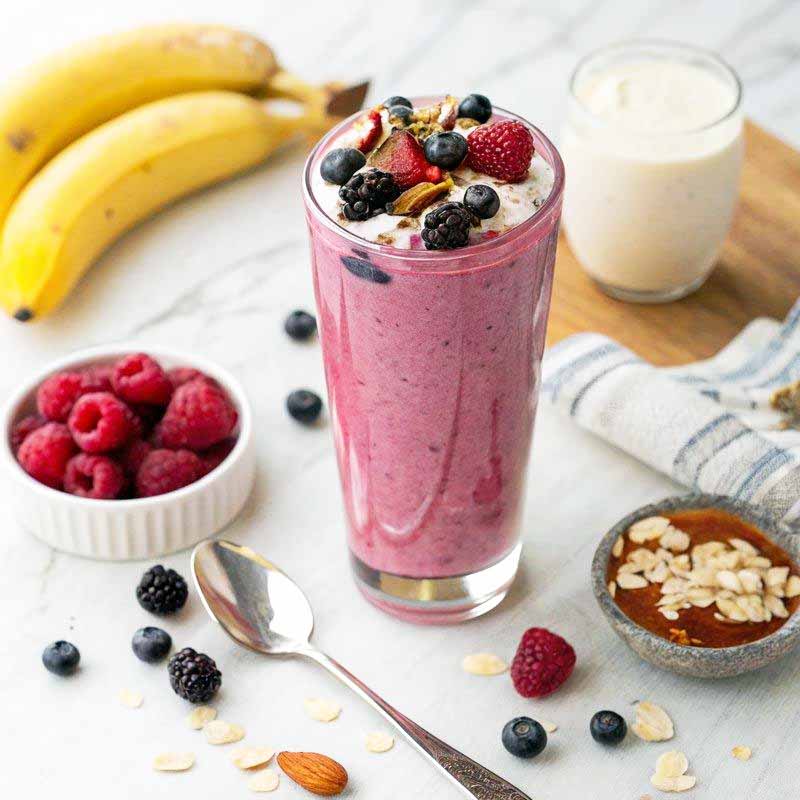
1. Eat Plenty of Fruits and Vegetables
Fruits and vegetables provide vitamins, minerals, fibre, and antioxidants that support general health.
Include foods such as:
- Spinach and other leafy green vegetables.
- Oranges, mangoes, and guavas.
- Carrots and tomatoes.
- Berries and avocados.
Try to eat different colours of fruits and vegetables throughout the week to benefit from a variety of nutrients.
2. Include Protein-Rich Foods
Protein is essential for normal body functions, including tissue growth and repair. Good sources include eggs, fish, chicken, beans, lentils, and nuts.
Plant-based proteins such as beans and lentils are particularly useful because they also provide fibre, iron, and folate.
You can include beans porridge, moi moi, boiled eggs, grilled fish, or chicken in your regular meals.
3. Choose Whole Grains
Whole grains provide fibre, vitamins, and minerals that support digestive and metabolic health.
Good options include:
- Oats.
- Brown rice.
- Whole-wheat bread.
- Millet.
- Whole-grain cereals.
You do not need to eliminate carbohydrates when trying to conceive. Instead, choose a variety of nutritious carbohydrate sources and balance them with protein and vegetables.
4. Eat Foods Rich in Healthy Fats
Healthy fats are important for normal hormone production and overall health.
Include sources such as avocados, olive oil, groundnuts, walnuts, and seeds. Oily fish such as salmon and sardines also provide omega-3 fatty acids.
Choose fish with low mercury levels when planning pregnancy, and avoid varieties known to contain high amounts of mercury.
5. Get Enough Iron and Folate
Iron and folate are important nutrients when preparing for pregnancy.
Iron-rich foods include beans, lean meat, fish, and leafy green vegetables. Eating vitamin C-rich fruits such as oranges alongside plant-based iron sources can improve iron absorption.
Folate is found in spinach, beans, peas, and fortified foods. However, women planning pregnancy are generally advised to take 400 micrograms of folic acid daily, starting before conception and continuing through the first 12 weeks of pregnancy.
Some women may need a higher prescribed dose depending on their medical history.
6. Stay Hydrated
Drinking enough water supports digestion, circulation, and normal body functions. Make water your main everyday drink and limit sugary beverages.
Staying hydrated is beneficial for general health, although drinking extra water does not directly increase fertility.
Recommended Reading
Miscarriage Recovery Timeline
The God of the Second Chance: Restoration After a Fall
Tips For Keeping Romance Alive After Having Kids
7. Foods and Drinks to Limit
When planning pregnancy, consider limiting:
- Alcohol: The safest choice when trying to conceive is to avoid it.
- Excessive caffeine: Keep intake below 200mg daily when planning pregnancy.
- Highly processed foods: Limit foods high in added sugar, salt, and unhealthy fats.
- High-mercury fish: Avoid fish varieties known to contain high mercury levels.
Sample Daily Fertility Diet
Here is a simple example of a balanced daily meal plan:
- Breakfast: Oatmeal with banana and groundnuts.
- Lunch: Brown rice, vegetables, and grilled fish.
- Snack: Orange, guava, or yoghurt.
- Dinner: Beans porridge with vegetables and avocado.
Adjust portions and food choices to suit your nutritional needs, budget, and personal preferences.
Conclusion
Following a balanced fertility diet can help support your reproductive health when trying to conceive. Focus on fruits, vegetables, whole grains, beans, eggs, fish, nuts, and other nutrient-rich foods.
Remember that no particular food or diet can guarantee pregnancy. If you have been trying to conceive without success or have concerns about your menstrual cycle, speak with a qualified healthcare professional for guidance.