Getting ready for pregnancy starts with making healthy choices, and a big part of that is your diet. No single food will change your chances of getting pregnant, but some foods and drinks can affect your general health or be unsafe in early pregnancy.
Knowing foods to avoid trying to get pregnant can help you make better nutritional choices and prepare your body for a healthy pregnancy.
Here are some foods and drinks to cut down or avoid if you are planning to get pregnant.
1. Alcohol
Steer clear of alcohol if you’re trying to conceive. Pregnancy can start before you know you are pregnant and alcohol exposure in pregnancy can harm a developing baby.
Avoid alcoholic beverages such as beer, wine, spirits and alcoholic cocktails. Drink water, fresh fruit drinks with little added sugar or other non-alcoholic drinks.
2. Fish with High Mercury
Fish is a good source of many nutrients, including protein and omega-3 fatty acids. Some large predatory fish have high mercury levels that can affect the developing nervous system of a baby.
Avoid fish high in mercury such as shark, swordfish, marlin and king mackerel. Choose lower mercury selections like salmon, sardines & other appropriate fish that have been prepared properly.
3. Too Much Caffeine
Too much caffeine can be a bad thing when trying to get pregnant. Caffeine is found in coffee, tea, chocolate, energy drinks and some soft drinks.
It makes sense to keep your caffeine intake to less than 200mg a day when you’re trying to conceive and during pregnancy.
Check product labels and be aware that caffeine content varies among beverages.
4. Meat and Fish, raw or undercooked
Raw or undercooked animal products can harbour harmful bacteria or parasites that can cause foodborne illness.
For example:- Fish that is raw or undercooked.
- Chicken under-cooked.
- Rare or undercooked meat.
- Uncooked shellfish
Cook meat and seafood thoroughly. Practice good kitchen hygiene. Do not eat foods made with unsafe raw ingredients.
5. Raw Milk & Dairy Products
Unpasteurised milk and some products made from it may contain harmful bacteria including listeria.
If you are trying to conceive, choose pasteurised milk, yoghurt and other dairy products. Read food labels carefully, especially when buying soft cheeses.
6. Ultra-Processed Foods
Examples of foods that can be high in salt, added sugar and unhealthy fats include packaged snacks, processed meats, sugary cereals and fast foods.
Now, eating these foods every now and then is different from eating them as a big part of your daily diet.
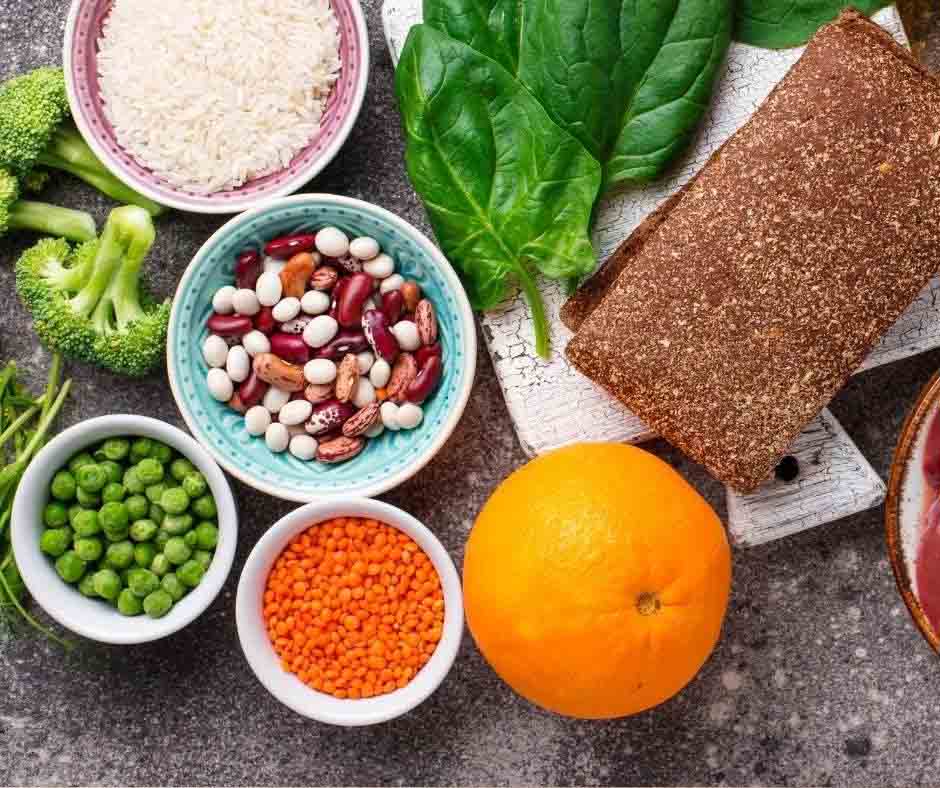
Try to pick more nutritious choices like fruits, vegetables, beans, whole grains, nuts and lean protein.
7. Too much sugar in your drink
Regularly drinking lots of sugary drinks can lead to eating too many calories, and problems with the metabolism.
Cut down on soda, sweetened fruit juices, energy drinks and heavily sweetened beverages.
Water and unsweetened beverages are your best everyday choices.
Recommended Reading
What to Eat When Trying to Conceive
Morning anxiety: Causes and Prevention
Tips for Coping with the Challenges of Long-Distance Relationship
Dealing with Offenses: The Trap of Unforgiveness
8. Fertility Supplements and Herbal Products Without Verification
Some herbal blends and products that are advertised to improve fertility have not been adequately tested for safety or effectiveness. Some of the ingredients can interact with medications or create adverse effects.
Just because something is natural doesn’t mean it’s safe. Before taking any fertility supplements or herbal preparations, talk to a healthcare professional.
Healthy Eating Tips While Planning Pregnancy
Instead of just focusing on foods to avoid trying to get pregnant, build healthy eating habits by:
- Eating a variety of fruits and vegetables daily.
- Protein sources – beans, eggs, fish and others
- picking whole grains.
- Drink plenty of water.
- Unless advised otherwise, taking 400 micrograms of folic acid a day before you conceive and during the first 12 weeks of pregnancy.
Conclusion:
Knowing the foods to avoid trying to get pregnant will help you make better choices regarding your diet. Avoid alcohol, fish high in mercury, raw foods you know are unsafe to eat, and supplements that have not been checked. Also, avoid too much caffeine, sugary drinks and highly processed foods.
A healthy diet is important for general and pre-conceptual health but it cannot guarantee that you will become pregnant. If you have concerns about fertility or nutrition, consult with a qualified healthcare professional for tailored advice.