Regular physical activity is important for maintaining good health, especially when planning to become pregnant. Exercise supports heart health, improves general fitness, and helps maintain healthy metabolic function. However, many people wonder whether physical activity can also affect their chances of conception.
Understanding the relationship between exercise and fertility can help you make informed decisions about your daily routine. The key is finding a healthy balance without putting unnecessary stress on your body.
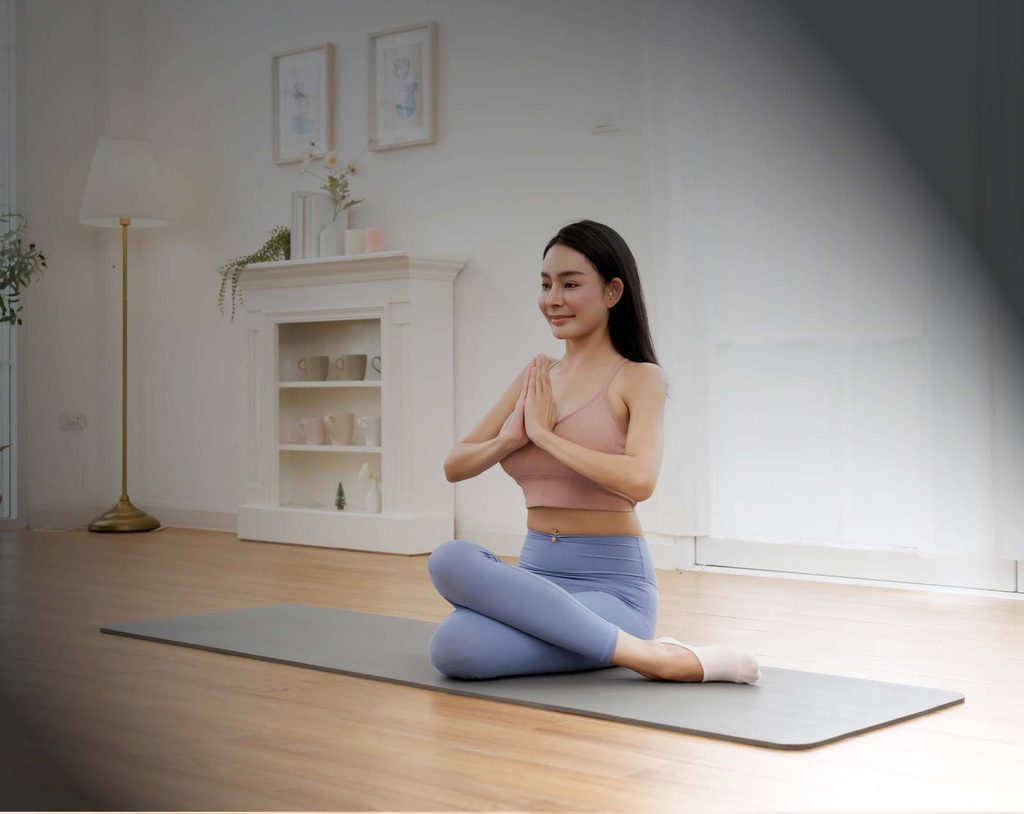
Can Exercise Improve Fertility?
Regular, moderate exercise can support overall reproductive health. It may help improve insulin sensitivity, support metabolic health, and contribute to maintaining a healthy weight.
These benefits can be particularly relevant for women with conditions such as polycystic ovary syndrome (PCOS), where insulin resistance may affect menstrual cycles and ovulation.
However, exercise is not a treatment for every fertility problem. Conception also depends on factors such as ovulation, sperm health, age, and reproductive health conditions.
5 Exercises to Consider When Trying to Conceive
You do not need an expensive gym membership to stay physically active. Several simple activities can become part of your weekly routine.
1. Walking
Walking is an accessible, low-impact activity that supports cardiovascular health and general fitness.
A regular walk around your neighbourhood, in a park, or on a treadmill can be a good starting point.
2. Swimming
Swimming provides a full-body workout without placing excessive pressure on the joints. It can help improve cardiovascular fitness, muscle strength, and flexibility.
It is also a useful option for people who prefer low-impact exercise.
3. Yoga
Gentle yoga combines movement, flexibility, and breathing exercises. It may help improve relaxation and reduce stress, which can support general wellbeing when planning pregnancy.
Choose a comfortable routine that suits your fitness level.
4. Cycling
Moderate cycling can improve cardiovascular fitness and strengthen the lower body. You can use a stationary bicycle or cycle outdoors at a comfortable pace.
Avoid excessive training, particularly if it leaves you constantly exhausted.
5. Light Strength Training
Moderate strength training helps maintain muscle strength and supports bone health.
Activities such as bodyweight exercises and using light resistance equipment can form part of a balanced fitness routine.
Can Too Much Exercise Affect Fertility?
Although moderate exercise offers several health benefits, excessive physical activity may sometimes interfere with reproductive health.
Very intense training combined with inadequate food intake can disrupt hormone production and affect ovulation. Some women may experience irregular or absent periods as a result.
In men, excessive endurance training, inadequate recovery, and certain performance-enhancing substances may also affect reproductive health.
The goal is not to exercise as much as possible but to maintain a sustainable routine that supports your overall wellbeing.
How Much Exercise Is Recommended?
For most adults, a useful general target is at least 150 minutes of moderate-intensity physical activity each week, alongside muscle-strengthening activities on two days.
You can spread this activity across the week through walking, swimming, cycling, or other enjoyable exercises.
If you have an existing medical condition, irregular periods, or fertility concerns, ask a healthcare professional about an appropriate exercise routine.
Recommended Reading
How to Track Ovulation for Pregnancy Planning
What Is Recurrent Pregnancy Loss?
Fasting That Pleases God: Beyond Religious Tradition
Tips for Rebuilding Trust After Betrayal
Exercise and Fertility: Other Healthy Habits to Consider
Physical activity works best alongside other healthy lifestyle choices.
When planning pregnancy:
- Eat a balanced diet containing essential nutrients.
- Get enough sleep and allow time for recovery.
- Avoid smoking and recreational drugs.
- Avoid alcohol when trying to conceive.
- Take 400 micrograms of folic acid daily before pregnancy and through the first 12 weeks, unless advised otherwise.
- Seek medical advice if you experience persistent menstrual irregularities.
Conclusion
Understanding exercise and fertility can help you make healthier lifestyle choices when planning pregnancy. Activities such as walking, swimming, yoga, cycling, and moderate strength training can support general health and reproductive wellbeing.
However, excessive exercise may affect hormonal balance and ovulation, particularly when combined with inadequate nutrition. Focus on consistency, moderation, and adequate recovery. If you have difficulty conceiving or concerns about your menstrual cycle, consult a qualified healthcare professional for guidance.