Pregnancy is a time of many physical changes and back pain is common for an expectant mother. As your baby grows your posture, balance and body weight change putting more pressure on your back and pelvis. Understanding what causes back pain during pregnancy can help you find safe ways to cope with discomfort and know when to call the doctor.
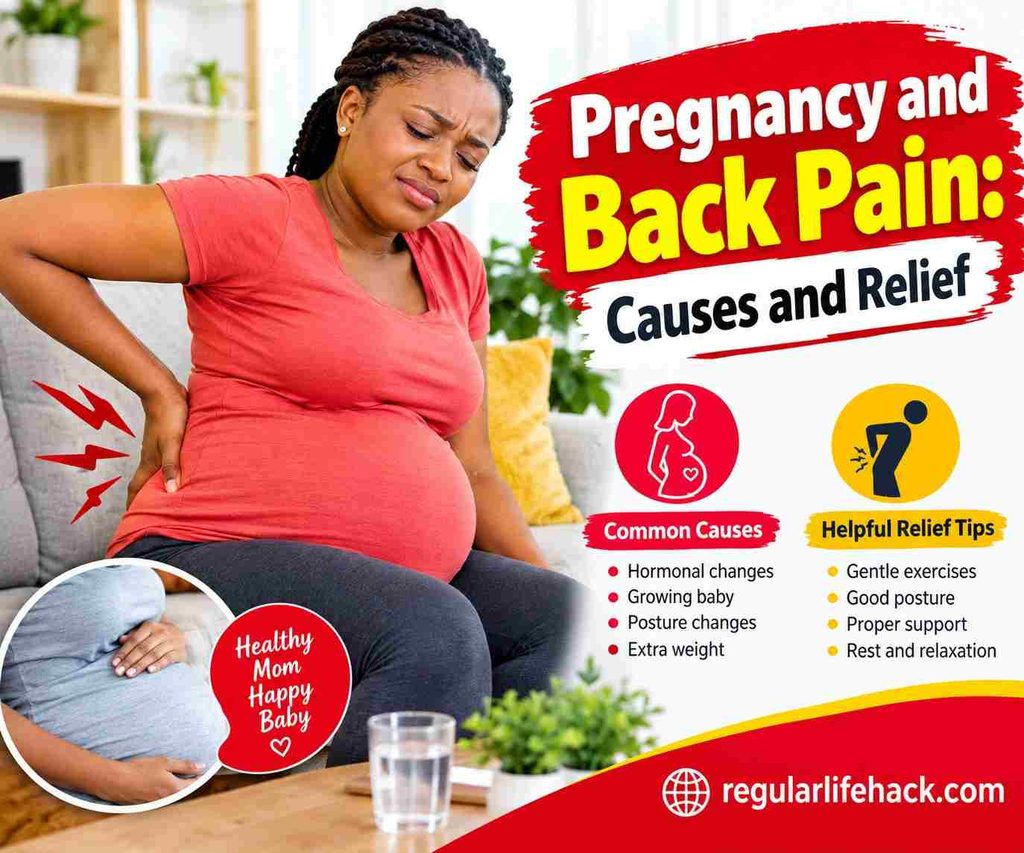
Why Do You Get Back Pain in Pregnancy?
Back pain during pregnancy can have several causes.
1. Alterations in Hormones
Your pregnant body releases hormones to relax the ligaments and joints in preparation for delivery. These changes can lead to instability around the pelvis and contribute to low back pain.
2. Weight Gain
As your pregnancy progresses, your body is carrying additional weight. This means your back muscles have to work harder and they may become sore especially if you are on your feet for long periods or walking a lot.
3. Posture changes
Your growing belly changes your center of gravity. You may unconsciously change the way you stand or walk to help keep your balance which can put strain on your lower back.
4. Muscle strain
Everyday activities like lifting things, bending over multiple times, or just sitting in one position for long periods can worsen your back pain.
5. Pain of the pelvic ring
Pain in the hips, pubic bone, lower back, or buttocks can occur in some pregnant women. This could be pelvic girdle pain, which can make walking, climbing stairs or turning over in bed uncomfortable. ## How to Relieve Pregnancy Back Pain The following measures may help to ease mild back discomfort.
Maintain Good Posture
Stand tall, with relaxed shoulders and don’t lock your knees. Sit in a supportive chair. If necessary, place a small cushion behind your lower back.
Use proper lifting techniques
If possible, avoid heavy lifting. If you need to pick something up, keep your back as straight as you can and bend your knees, with the object close to your body. Don’t twist when you lift.
Stay Mildly Active
Walking, swimming and pregnancy-friendly stretching may help to keep flexibility and strengthen supporting muscles. Ask your health professional what exercises are right for you.
Apply Gentle Warmth
A warm compress, not hot, may help to relax tight muscles. Avoid excessive heat especially in pregnancy Protect your skin from direct heat.
Sleep in a Good Position
If it helps, try sleeping on your side with a pillow between your knees and a pillow under your belly. Use a comfortable and supportive mattress and pillows.
Recommended Reading
Pregnancy Week 20: Halfway Through Pregnancy
Healthy Relationships In Christian Homes
30 Reasons Why People Marry Wrongly (1)
Tips for Rebuilding Trust After Betrayal
Use Supportive Footwear
Supportive, comfortable shoes can help with balance and reduce strain. Don’t wear shoes that make you feel unbalanced.
Ask About Physiotherapy
Pregnancy-experienced physiotherapists can advise on suitable exercises, posture and other treatments to suit your symptoms.
Ask a healthcare professional or chemist before starting any pain-relief medication. Never assume that non-prescription medicines are safe in pregnancy.
When To See a Doctor
If your back pain is severe or constant, getting worse or interfering with your daily activities, contact your health care professional.
Seek immediate medical attention if you have back pain accompanied by vaginal bleeding, fever, painful urination, fluid leaking from the vagina, regular contractions, or severe abdominal pain. Emergency assessment is also needed for new weakness or numbness in the legs, or loss of bladder or bowel control.
Sometimes back pain may be a symptom of a condition that requires prompt treatment. Don’t just dismiss unusual or severe symptoms as a normal part of pregnancy.
Conclusion
Pregnancy back pain is common, but simple changes to posture, daily activities, sleep position and gentle exercise may provide relief. Every pregnancy is different, so if symptoms are troublesome or persistent, seek professional advice. With the right support and care many women can deal more comfortably with back pain during pregnancy.