One of the biggest concerns for many expectant mothers during pregnancy is how to prevent miscarriage. You cannot prevent all miscarriages, such as those caused by chromosomal abnormalities, but healthy lifestyle choices can support a healthy pregnancy and reduce some risk factors. The aim is not to ensure a particular outcome but to provide the best environment for your baby’s development.
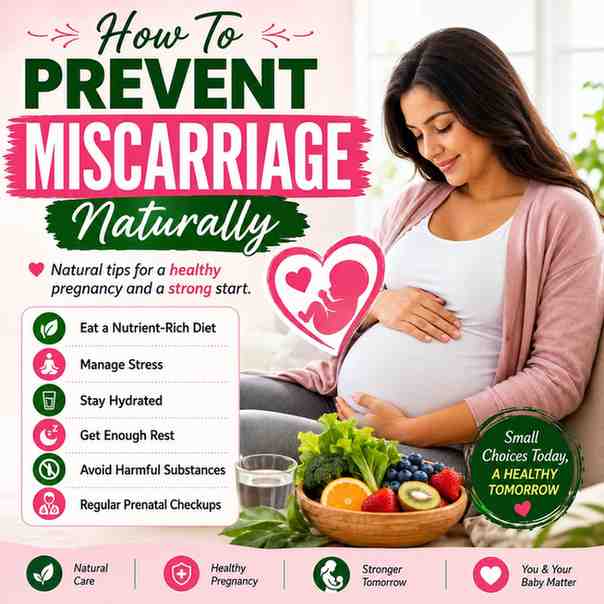
Here are some ways that may help support a healthy pregnancy naturally:
1. Go to regular prenatal appointments.
One of the most important things you can do to prevent miscarriage is to have regular prenatal care. Early and frequent visits to your healthcare provider will help ensure your baby is growing as expected, any potential complications are identified and any medical conditions are treated before they become serious.
Even if you feel good, don’t skip scheduled appointments.
2. Consume a Healthy Balanced Diet
A healthy diet gives the nutrients your growing baby needs. Consume foods such as:
- Fresh fruits and vegetables
- Whole-grain
- Lean proteins
- Dairy products low in fat
- Healthy Fats: Avocado, nuts and olive oil
- Iron, calcium, folate, and protein are particularly important during pregnancy.
3. Take Pre-Natal Vitamins
Taking prenatal vitamins, especially one with folic acid, before pregnancy and during pregnancy. Folic acid helps prevent some birth defects and also helps healthy foetal development.
Your doctor can recommend the prenatal vitamin that is best for you.
4. Keep Hydrated
Sufficient water intake keeps the blood flowing well, supports the placenta and reduces the risk of dehydration-related complications.
Try to drink water regularly throughout the day unless your healthcare professional has advised you differently.
5. Don’t Smoke, Drink Alcohol or Use Illicit Drugs
If you are researching how to prevent miscarriage, then one of the most effective things you can do is to cut out the harmful substances. Heavy use of alcohol, smoking and illicit drugs have been linked to higher rates of pregnancy complications, including miscarriage.
If you want to stop, talk to your health care provider about safe ways to help.
6. Keep a Healthy Weight
Very low or high body mass index can increase pregnancy risks. “A healthy diet and appropriate physical activity before and during pregnancy can help you maintain a healthy weight.
Always talk to your health care provider about your weight management goals.
7. Work Out Safely
In general, moderate exercise during pregnancy is beneficial for most women. Walking, swimming, prenatale yoga and gentle stretching can help with circulation, reduce stress and contribute to overall health.
Avoid high-impact sports or activities with a high risk of falling unless specifically approved by your health care provider.
Recommended Reading
Supporting A Partner Through Career Changes
Early Signs Of Miscarriage Every Woman Should Know
8. Take Care of Chronic Health Conditions
Medical conditions such as diabetes, thyroid disorders and high blood pressure should be well controlled both before and in pregnancy. With proper management, complications can be reduced and pregnancy outcomes improved.
Follow your treatment plan and never stop taking prescribed medications without talking to your health care provider.
9. Get Enough Sleep
Adequate sleep is important for your body to recover and maintain a healthy balance of hormones during pregnancy. Try to get between seven and nine hours of sleep a night, and listen to your body when it tells you it needs more rest.
Good sleep habits support your overall well-being during pregnancy.
10. Stress Reduction
There is no evidence that every day stress causes miscarriage but reducing stress can benefit both your physical and emotional wellbeing. Some useful relaxation techniques are:
- Deep breathing exercise
- Meditation praxis
- Pre-natal yoga light
- Readings
- Time with family and friends who are supportive
Learning healthy ways to relax can make pregnancy more fun.
11. Observe good hygiene
Some infections may increase the risk of problems in pregnancy. Lower your risk by:
- Wash hands frequently
- Cook all meat thoroughly
- Wash fruits and vegetables before eating
- Do not drink unpasteurised dairy products
- Limiting contact with people with contagious illnesses
These simple habits help keep you and your child safe.
Can Miscarriages Be Prevented?
It is important to know that how to prevent miscarriage is not always an easy question to answer. Most first trimester miscarriages are caused by chromosomal abnormalities that cannot be prevented by changes in lifestyle.
Usually if you have a miscarriage, it is not caused by everyday things such as walking, working, moderate exercise or having sex in a healthy pregnancy.
When to See a Medical Professional Call your health care provider right away if you have:
- Profuse vaginal bleeding
- Intense abdominal pain or cramps
- Passing large blood clots or tissue.
- Fever or chills
- Dizziness or fainting that persists
If you experience any of the troubling symptoms, you should be evaluated quickly by a healthcare professional.
Conclusion
How to Prevent Miscarriage Naturally? Well, the first step is to take good care of your overall health. A healthy pregnancy is facilitated by a balanced diet, prenatal vitamins, adequate hydration, safe exercise, avoiding harmful substances, good management of chronic health conditions, and consistent prenatal care.
These habits can help reduce some of the risks but cannot prevent all miscarriages. Many pregnancy losses are due to factors outside of anyone’s control. Your best course of action is to work closely with your healthcare provider, follow their medical advice, and focus on creating the healthiest environment possible for you and your growing baby.